
Nigeria’s Federal Government has called for urgent measures to stop illicit flows, warning that Africa loses an estimated $88 billion annually through illegal financial movements.
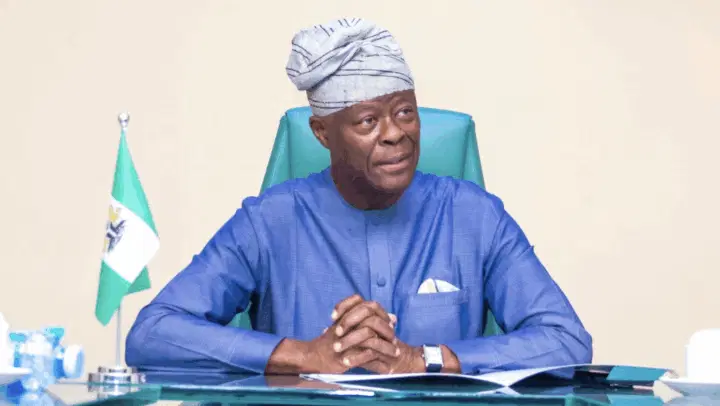
Finance Minister Olawale Edun emphasised the need for coordinated national and continental efforts to safeguard domestic resources and boost economic growth.
The call to stop illicit flows came during the 5th Sub‑Committee on Tax and Illicit Financial Flows (IFFs) meeting of the African Union’s Specialized Technical Committee on Finance, Monetary Affairs, Economic Planning, and Integration.
African nations have long struggled with IFFs, which include trade mispricing, tax evasion, and illegal transfers that drain national coffers.
The Federal Government highlighted that curbing these flows is essential for financing social services, infrastructure, and development initiatives.
Edun stated that efforts to stop illicit flows are central to Africa’s broader fiscal reforms under Agenda 2063.
He explained that enhancing domestic resource mobilisation, strengthening tax systems, and enforcing transparency in corporate and trade practices are critical steps to reclaim lost revenue.
“To reverse these outflows, robust dialogue on tax and fiscal policy is required to support growth while reducing dependence on foreign aid,” Edun said at the Abuja session.
Dr Zacch Adedeji, Executive Chairman of the Nigerian Revenue Service, also stressed that billions of dollars lost through IFFs limit investments in healthcare, education, and public infrastructure.
He reiterated that national coordination and regional cooperation are key to stop illicit flows and strengthen fiscal resilience.
The initiative to stop illicit flows is expected to improve fiscal stability, increase funding for public services, and reduce Africa’s dependence on external financing.
Experts indicate that success will depend on stronger regulatory frameworks, adoption of technology for tax compliance, and enhanced international collaboration to track and recover illicit funds.
This effort could also influence continental policies on tax standardisation, customs enforcement, and transparency measures to ensure sustainable development.