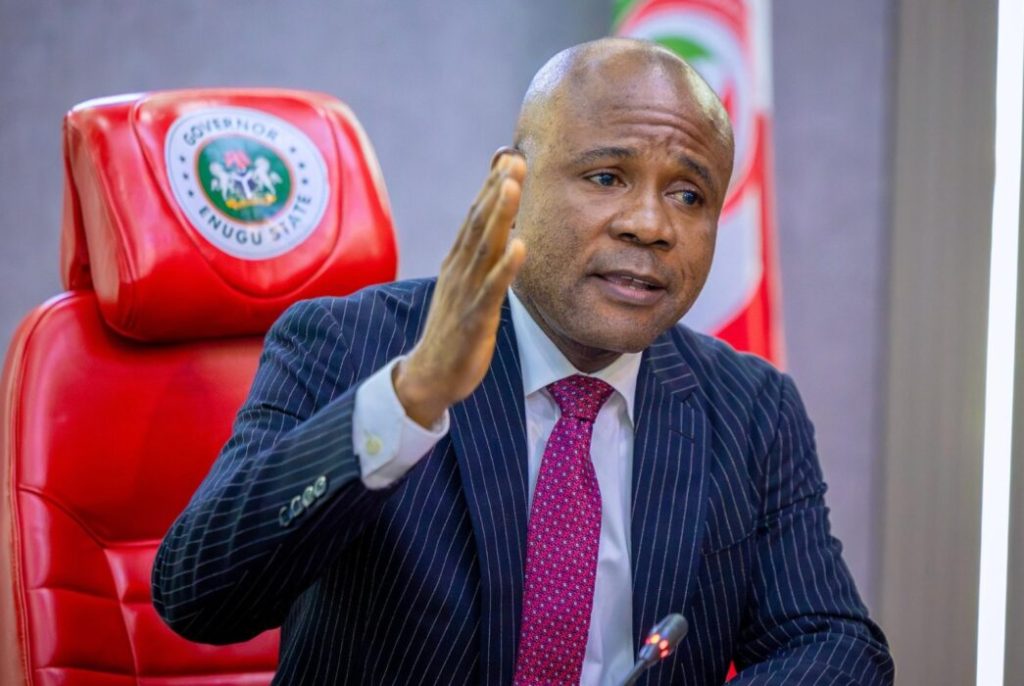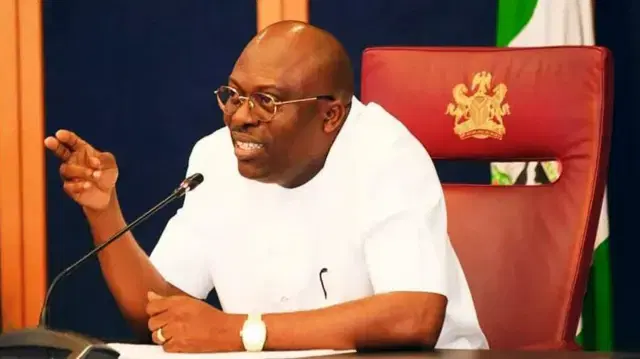

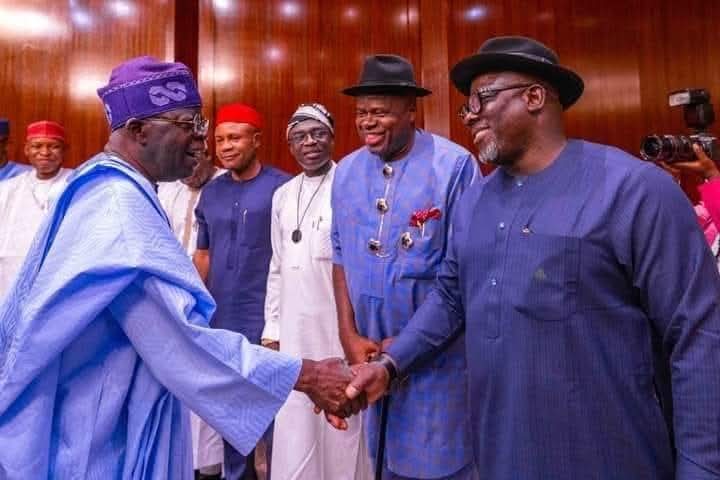
Delta State Governor, Sheriff Oborevwori, has stated that voting against Tinubu in the 2027 presidential election would amount to an act of disloyalty, arguing that President Bola Ahmed Tinubu is closely connected to the people of Delta State through political and personal relationships. The governor made the remarks while addressing party supporters and stakeholders, where he defended the state’s growing support for the President and the ruling party. His comments have added to ongoing political discussions surrounding alliances and electoral calculations ahead of the next general election. The issue of voting against Tinubu has become a notable talking point within Delta’s evolving political landscape.
The political environment in Delta State has undergone significant changes in recent months, particularly following shifts in alliances involving prominent political figures and elected officials. Governor Oborevwori, who was elected on the platform of the Peoples Democratic Party before aligning with the All Progressives Congress, has repeatedly emphasized the need for cooperation between the state and the Federal Government. Supporters of the governor have argued that closer ties with the Federal Government could attract additional development opportunities and strengthen federal-state relations.
President Tinubu has continued to consolidate political support across different regions of the country as political actors begin positioning themselves ahead of the 2027 election cycle. Delta State, one of Nigeria’s major oil-producing states, remains strategically important because of its population, economic significance, and voting strength. Against this backdrop, discussions around voting against Tinubu have emerged as political leaders seek to define future alliances and electoral strategies.
Speaking during the event, Governor Oborevwori reportedly told supporters that President Tinubu should be regarded as part of the Delta political family, referring to him as an “in-law” of the state. He argued that this relationship created an obligation for political stakeholders to support the President’s future political aspirations.
The governor maintained that cooperation with the Federal Government had already produced positive engagement between Abuja and Delta State. According to him, continued collaboration would help advance development initiatives and strengthen governance outcomes for residents. Addressing party members, Oborevwori said that voting against Tinubu would not align with the political realities currently shaping the state. He urged supporters to remain united and continue backing leaders who, in his view, have demonstrated commitment to working with Delta State.
The governor also highlighted recent political realignments involving elected officials and party structures within the state. He said these developments reflected growing confidence in the relationship between the state government and the Federal Government. His remarks come at a time when political parties are intensifying consultations ahead of future electoral contests. Analysts note that endorsements and declarations of support by influential governors often shape discussions around coalition-building and party strategy.
The comments on voting against Tinubu have generated reactions among political observers, supporters, and opposition figures, many of whom view the statement as an early indication of political positioning ahead of the next presidential election. Stakeholders within the state’s political establishment are expected to continue engaging in discussions over alliances, party structures, and electoral preparations as 2027 approaches.
The governor’s remarks may influence political calculations within Delta State and potentially affect relationships among competing political blocs. Public endorsements by sitting governors often carry significance because of their influence over party structures and grassroots mobilisation.
The debate also highlights the increasing focus on coalition-building and strategic partnerships ahead of the next electoral cycle. Political analysts believe that alignments formed during this period could shape campaign narratives and voter mobilisation efforts in the coming years. At the national level, the comments reflect broader efforts by political leaders to strengthen support bases and consolidate influence before the start of formal election activities.