

Plateau killings prevention has moved to the forefront of national security priorities as President Bola Ahmed Tinubu assured Nigerians that decisive measures are being implemented to stop further attacks in the state.
The renewed commitment follows recent violence that has heightened concerns about safety and stability in affected communities.
Plateau State has faced recurring violence for years, often tied to disputes over land, identity, and access to resources.
These conflicts have disrupted agricultural production, trade, and everyday life across both rural settlements and areas surrounding Jos.
Recent incidents have again exposed the fragile security situation. Communities have reported night attacks and sporadic shootings, forcing residents to flee and raising fears among businesses and local populations.
The focus on Plateau killings prevention reflects a broader need to address not just immediate threats but also the underlying factors driving repeated violence in the region.
President Tinubu gave assurances that the situation would be brought under control, stressing that security agencies have been directed to intensify operations and prevent further incidents.
He described the attacks as unacceptable and reaffirmed the government’s responsibility to protect lives and property.
Stakeholders, including political and traditional leaders, also called for sustained intervention. Former Plateau State Governor Jonah Jang urged continued engagement with federal authorities to address the root causes of the crisis.
The Gbong Gwom Jos, Da Jacob Gyang Buba, and other community leaders emphasised the need for unity and collaboration in restoring peace across affected areas.
Despite these efforts, fresh attacks were reported in Heipang, near Plateau State Polytechnic, where gunmen killed at least one person and injured others.
One of the victims later died, increasing the death toll. Residents described panic as gunshots forced people to flee their homes at night.
In response, the Nigerian Army strengthened its presence in the state. The Chief of Army Staff, Lieutenant General Olufemi Oluyede, visited Plateau to assess the situation and coordinate operations with field commanders.
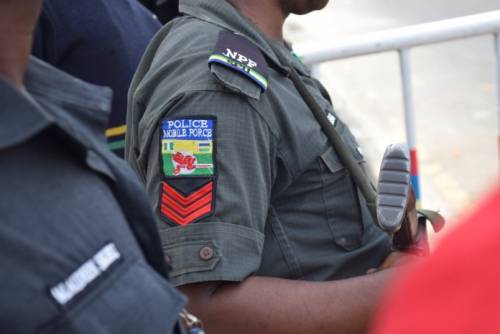
More than 850 additional troops were deployed under Operation Enduring Peace to reinforce ongoing efforts. The Inspector-General of Police also confirmed the deployment of tactical units to improve response time and coordination.
Plateau killings prevention remains central to these interventions, with security agencies focusing on both immediate containment and long-term stability.
Plateau killings prevention carries significant implications for economic activity and social stability.
The state plays a key role in agriculture and regional trade, and ongoing violence disrupts supply chains, market access, and productivity.
For residents, insecurity affects mobility, education, and access to essential services. Many households face uncertainty as fear limits daily activities and income opportunities.
For businesses and investors, consistent instability reduces confidence and slows development. Ensuring security is critical for attracting investment and supporting growth in local industries.
From a policy standpoint, the situation highlights the need for stronger intelligence systems, community-based conflict resolution, and sustained collaboration between federal and state authorities.