
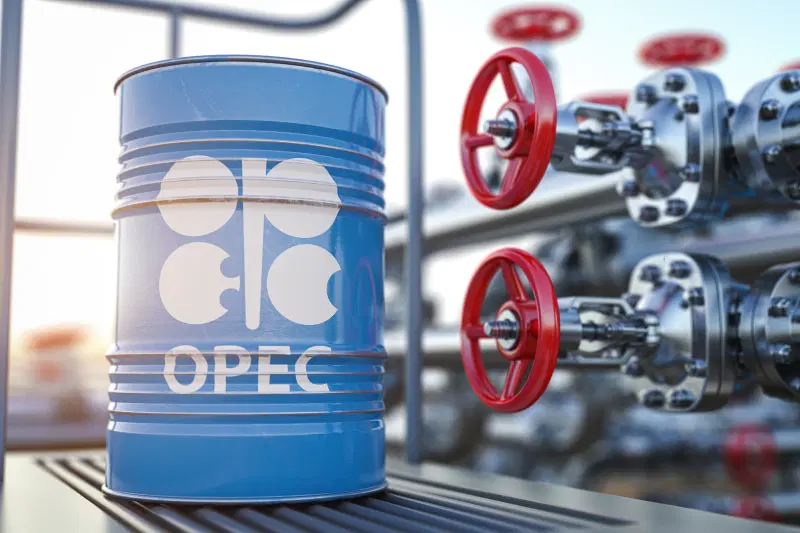
Seven key members of the OPEC+ alliance have agreed to raise their OPEC production quotas once again, approving a combined output increase of 188,000 barrels per day beginning in August 2026 as oil exports through the Strait of Hormuz continue to recover following months of disruption caused by the Middle East conflict. The decision was reached during a virtual meeting on Sunday involving ministers from Saudi Arabia, Russia, Iraq, Kuwait, Kazakhstan, Algeria and Oman, according to a statement issued by the organisation.
In its statement, OPEC+ announced that member countries had agreed to implement a production adjustment of 188,000 barrels per day, with the increase taking effect in August.
The decision follows gradual improvements in maritime traffic after months of severe disruption linked to the conflict in the Middle East. Oil exports from Gulf producers had been significantly affected after Iran’s actions during the conflict led to the near-paralysis of shipping through the Strait of Hormuz, one of the world’s most important oil transit routes.
According to OPEC data, combined crude oil production by Saudi Arabia, Iraq and Kuwait declined by approximately six million barrels per day between the first quarter of 2026 and May. The production cuts reflected the difficulties Gulf exporters faced as shipping through the Strait of Hormuz became severely constrained.
A turning point came on June 17, when Tehran and Washington signed a memorandum of understanding committing both sides to remove obstacles to maritime navigation through the strategic waterway while negotiations continued. The agreement has since contributed to a gradual recovery in shipping activity across the region.
Commodity analyst Giovanni Staunovo of Swiss bank UBS said current production levels remain below OPEC+ targets despite improving conditions. According to him: “For now, production is probably still below” OPEC+’s targets.
Oil prices have also fallen sharply in recent weeks, returning to levels seen before the conflict as markets anticipate a steady recovery in supply. According to a United States official quoted by Bloomberg, crude shipments through the Strait of Hormuz may already have exceeded 10 million barrels per day. However, analysts noted that much of the oil currently leaving the region had already been stored in tankers or storage facilities during the disruption.
Ole Hansen, an analyst at Saxo Bank, said restoring suspended production requires time even after shipping resumes. He explained: “Shut-in production takes time to restart.”
Hansen added that while July should reflect gradual improvements in exports, August is expected to see a more noticeable acceleration in production recovery if maritime traffic continues to normalise.
Despite the production increase, market analysts believe the oil alliance could face new challenges next year. According to Jorge Leon, an analyst at Rystad Energy, global markets are already anticipating a surplus in oil supply during 2027. Initially, inventories depleted during the Middle East conflict may absorb additional production. However, analysts warned that sustained increases in output could eventually place downward pressure on international crude prices.
The quota adjustment also comes as Iraq pushes for increased production limits after suffering substantial output losses during the regional conflict. The Iraqi Oil Ministry stated in late June that it had requested higher production quotas to offset wartime shortfalls.
However, Hansen said the request is unlikely to be addressed immediately because current production remains well below pre-conflict levels. He suggested Iraq’s proposal could instead become part of the alliance’s 2027 capacity review, when OPEC+ members are expected to reassess production baselines based on their output capabilities.
The planned review later this year is expected to determine future production allocations across member states. Analysts say the process could become increasingly sensitive as members seek larger quotas while navigating the prospect of softer oil prices and maintaining cohesion within OPEC+, particularly following the United Arab Emirates’ departure from the alliance in May. The outcome of the review is expected to play a significant role in shaping global oil supply and pricing beyond 2026.