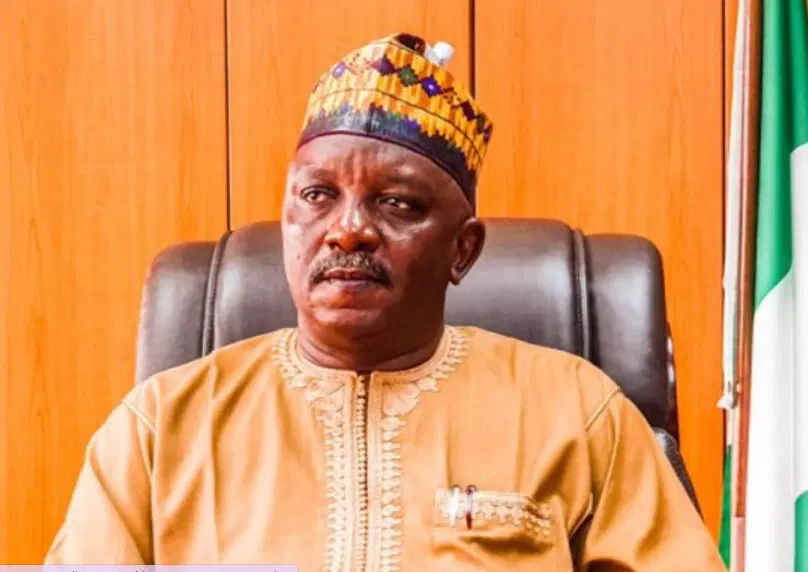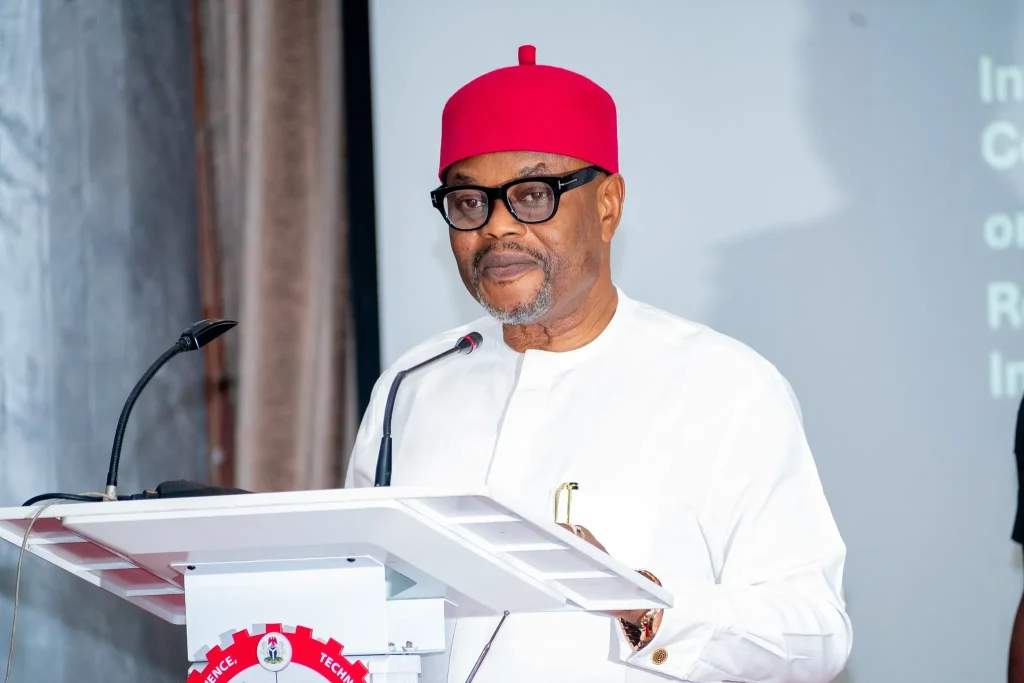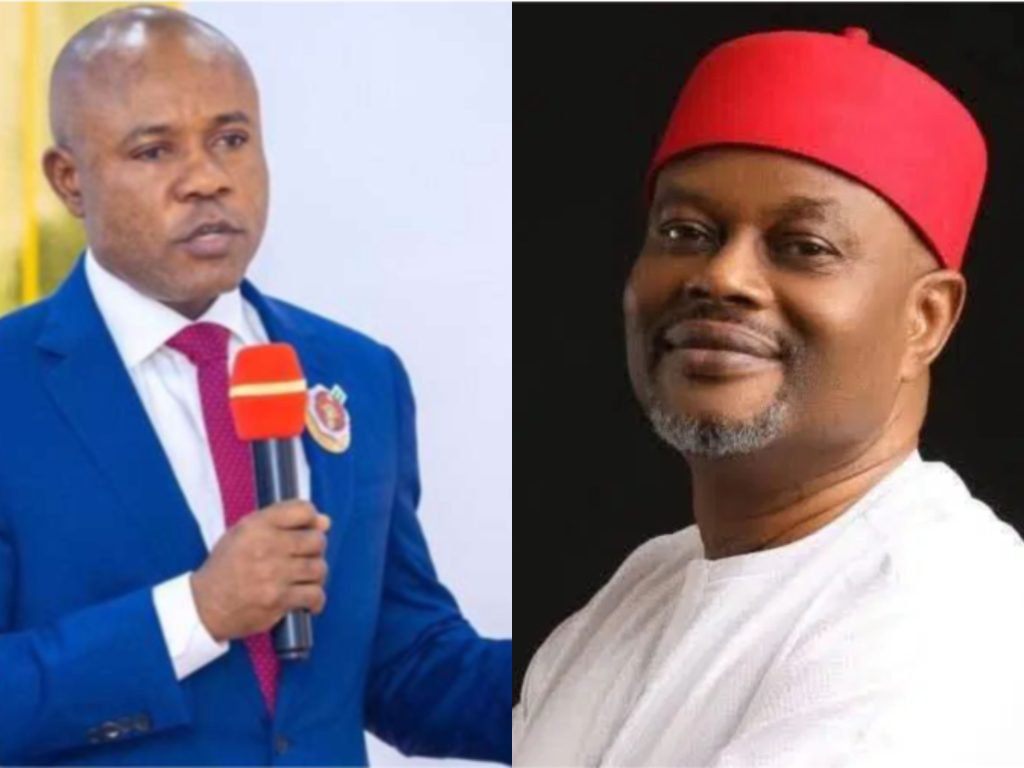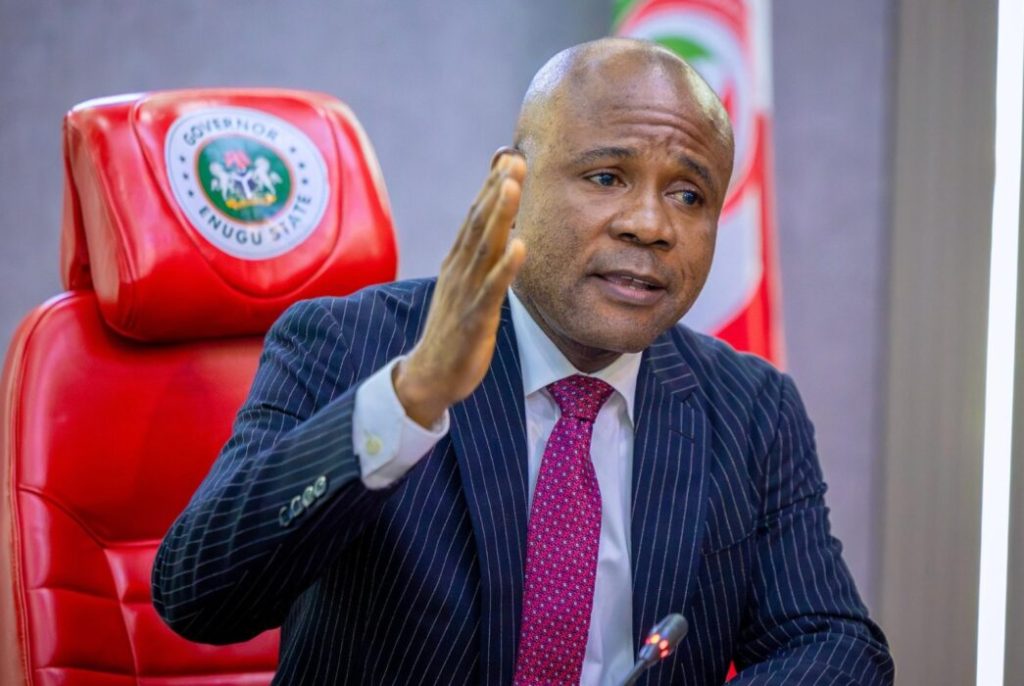

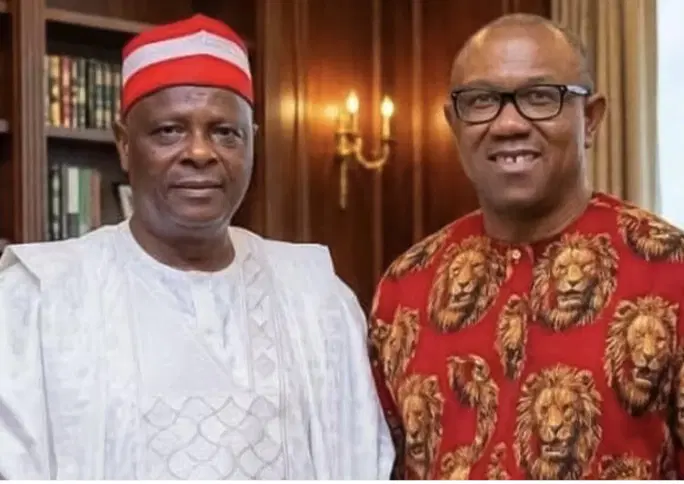
Former Labour Party vice-presidential candidate, Yusuf Datti Baba-Ahmed, has said that political movements involving Peter Obi and Rabiu Kwankwaso were not driven by any PRP ticket ambition, amid ongoing realignments within Nigeria’s opposition politics ahead of the 2027 elections. He stated that discussions around their political positioning should not be interpreted as efforts targeted at securing presidential or party tickets within the Peoples Redemption Party.
Baba-Ahmed recently joined the Peoples Redemption Party (PRP) following his exit from the Labour Party, citing internal disagreements and ideological differences within his former political platform. His movement to the PRP has coincided with wider political consultations across opposition groups, including figures such as Peter Obi and Rabiu Kwankwaso exploring potential alliances or party options ahead of 2027.
The PRP has also publicly stated that it is not under pressure to recruit high-profile politicians or tailor its internal processes around elite ambitions. Party leaders have maintained that the organisation remains focused on principles rather than political negotiations centered on individual candidacies.
Against this backdrop, the discussion around PRP ticket ambition has become a recurring theme in political commentary, particularly as Nigeria’s opposition landscape undergoes shifts ahead of the next general election cycle.
Baba-Ahmed, speaking in interviews following his defection, insisted that his decision to join the PRP was not motivated by a desire to secure any elective position within the party structure. He emphasised that his focus was on national reform rather than internal party competition.
He also noted that political figures such as Obi and Kwankwaso should not be assumed to be acting based on expectations of internal party candidacy arrangements. According to him, the broader political environment in Nigeria is currently shaped more by ideological positioning and coalition-building than by immediate PRP ticket ambition considerations.
In addition, Kwankwaso has previously confirmed ongoing consultations with multiple political platforms, including the PRP, while stressing that no final decision had been made regarding defection or alignment with any specific party structure.
Similarly, Obi’s political engagements have continued within evolving opposition alliances, with analysts noting that discussions around his role in emerging coalitions remain fluid and not tied to specific party ticket negotiations.
Baba-Ahmed maintained that framing such political movements as driven by PRP ticket ambition oversimplifies the broader strategic realignments currently taking place within Nigeria’s opposition space.
Political analysts say the clarification reflects growing sensitivity around perceptions of elite-driven political bargaining ahead of 2027. The opposition landscape remains fluid, with multiple actors exploring alliances that may not necessarily translate into immediate electoral ticket negotiations.
The discussion also highlights ongoing efforts by smaller political parties like the PRP to position themselves as ideological platforms rather than vehicles for elite candidacy arrangements.