

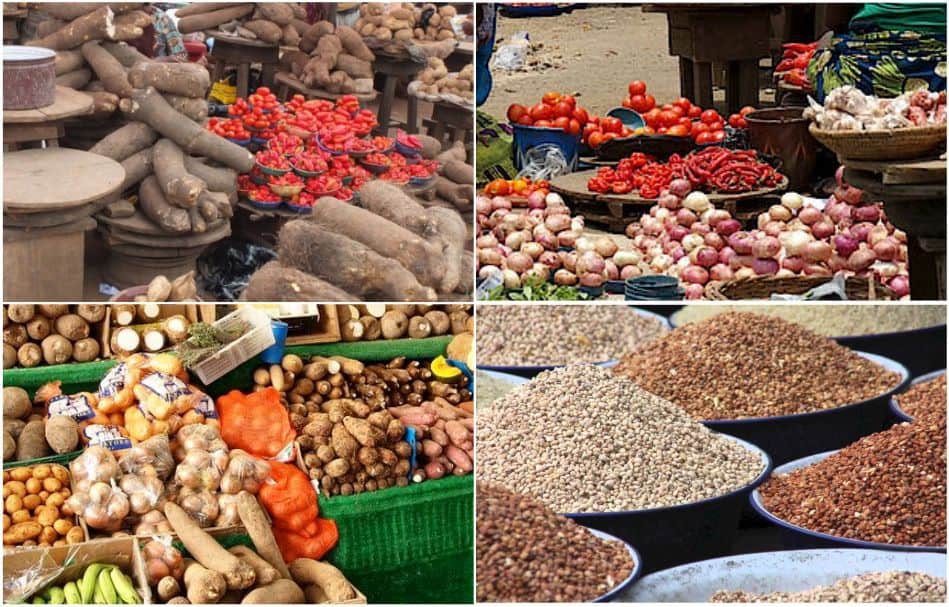
Lagos markets are grappling with rising costs as fuel drives food prices, forcing traders to increase rates and shoppers to adjust spending.
Rising petrol and diesel costs have intensified the pressure on food distribution, affecting both sellers and consumers across major commercial hubs.
Fuel price increases have historically influenced food price inflation in Nigeria, especially in densely populated urban areas like Lagos.
Transport expenses, which constitute a significant part of the cost structure for food supplies, rise whenever fuel prices increase, a factor now evident in Lagos markets.
Traders note that fuel drives food prices in vegetables, grains, and other staple commodities.
Economists explain that the phenomenon is expected in urban economies where food logistics depend heavily on road transport.
Rising fuel costs indirectly impact household spending, lowering purchasing power and altering consumption patterns.
At Ile Epo Market, traders reported reduced customer traffic and slower sales, linking the trend directly to how fuel drives food prices.
Alhaji Abiodun Kosoko, a senior trader in Agbado Oke‑Odo LCDA, stated: “Our transport and supply costs have doubled in the past weeks. We had no choice but to adjust prices to survive.”
Market surveys show that staples like onions, tomatoes, and peppers have risen sharply, reflecting higher transport costs.
In Mile 12 and Oyingbo markets, a 100kg bag of onions now sells for nearly double its previous rate due to fuel-driven transportation hikes.
Shoppers have also adjusted their purchasing behavior, buying smaller quantities amid price pressures.
Traders in Lekki‑Epe corridor markets highlighted that increased delivery costs from northern distribution hubs were a significant contributor.
With fuel driving food prices, Lagos residents face tightening household budgets. Reduced sales in markets affect traders’ profits, and lower purchasing power among consumers may further slow commercial activity.
This trend also interacts with global economic factors such as rising energy and fertilizer prices, which compound the effect of domestic fuel costs on food prices.
Analysts warn that sustained high prices could deepen economic strain, especially for low-income households.