
The growing presence of foreign logistics firms in Nigeria’s freight forwarding, customs brokerage and logistics industry is exposing deeper weaknesses within the country’s maritime sector, according to the Council for the Regulation of Freight Forwarding in Nigeria (CRFFN).
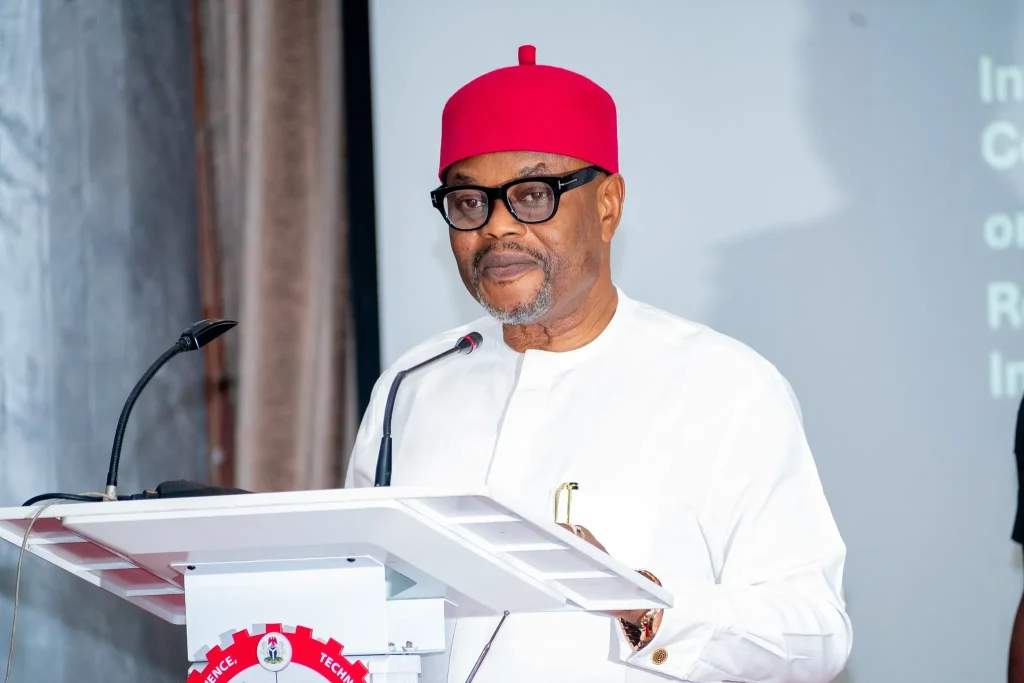
Rather than viewing the development solely through the lens of foreign versus indigenous participation, the council said attention should shift to the institutional and economic challenges limiting the competitiveness of Nigerian operators. The CRFFN Registrar, Mr. Kingsley Igwe, made the observation while commenting on the ongoing debate over foreign participation in the sector.
Igwe said the increasing involvement of foreign operators should be treated as a consequence of longstanding structural deficiencies rather than the fundamental problem facing the industry. He identified inadequate professional capacity as one of the major issues affecting indigenous freight forwarders, citing years of weak institutional training, inconsistent regulatory enforcement and insufficient investment in human capital.
According to him, several countries have deliberately built globally competitive logistics professionals through structured certification programmes and continuous professional development. Nigeria, he said, has yet to achieve the same consistency in its professional development framework, thereby limiting the ability of indigenous operators to compete effectively.
Igwe also identified access to capital as another major constraint on indigenous operators. He explained that modern logistics had evolved beyond conventional freight handling into a technology-driven and capital-intensive industry.
According to him, operators now require significant investment in digital infrastructure, multimodal transportation, warehousing, project cargo management and integrated supply-chain systems to compete effectively. The registrar’s position suggests that simply restricting foreign participation would not address the fundamental weaknesses preventing Nigerian companies from expanding their market share.
A retired Deputy Comptroller-General of the Nigeria Customs Service and Trade and Maritime Customs Consultant, Mr. Dera Nnadi, also supported the concerns raised by the CRFFN registrar.
Nnadi said the capital-intensive nature of modern freight forwarding deserved greater attention, particularly given the investment decisions of some indigenous operators. According to him, many Nigerian businesses have not invested enough in developing their logistics operations, with revenues generated from freight forwarding sometimes diverted into businesses outside the maritime industry.
He argued that such practices limit the ability of indigenous companies to expand their operations, develop professional capacity and improve their competitiveness. The comments come amid renewed debate over foreign logistics firms and their growing role in Nigeria’s freight forwarding and customs brokerage market.
For industry stakeholders, the discussion therefore extends beyond ownership or nationality to questions surrounding professional development, investment, regulation and the capacity of Nigerian operators to compete in an increasingly sophisticated logistics environment.