
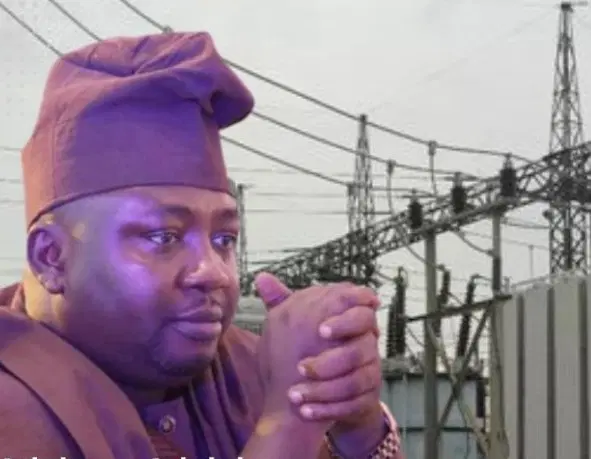
The FG GenCos electricity debt reconciliation dispute has intensified as the Federal Government and power generation companies disagreed over the actual debt owed within Nigeria’s electricity market, with both sides presenting conflicting figures during ongoing reconciliation efforts.
The disagreement over FG GenCos electricity debt reconciliation comes amid long-standing liquidity challenges in Nigeria’s power sector, where unpaid invoices and subsidy shortfalls have accumulated over several years.
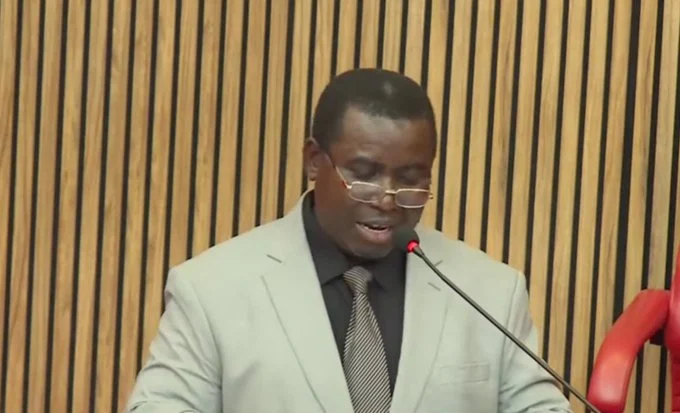
The Minister of Power, Adebayo Adelabu, stated that government liabilities to generation companies may be lower than widely reported, noting that ongoing reconciliation is still determining the final figures.
The debt issue is central to the stability of the electricity value chain, as generation companies rely on payments to sustain operations, including gas supply and infrastructure maintenance.
Speaking during a press conference in Abuja, Adelabu said the total debt under the FG GenCos electricity debt reconciliation process could settle around N4tn, rather than the N6.3tn often cited in industry discussions.
“You asked how much we owe suppliers. I can tell you that the amount we owe GenCos is estimated and is still being reconciled,” the minister said.
He explained that earlier estimates of about N4tn as of the end of 2024 were audited and adjusted to approximately N2.8tn after accounting for interest and foreign exchange components.
Adelabu added that a significant portion of the liabilities relates to gas supply, stating that “not less than 60 per cent” of the debt is owed to gas suppliers.
However, power generation companies rejected the government’s position on the FG GenCos electricity debt reconciliation, insisting that the figures must be jointly verified by all stakeholders.
The Executive Secretary of the Association of Power Generation Companies, Joy Ogaji, questioned how the government arrived at its figures and called for transparency in the reconciliation process.
“We want the government to publish how they arrived at their figures and what components formed them,” she said.
Ogaji noted that the last reconciliation meeting involving all parties took place in March 2025 and stated that no subsequent joint reconciliation had been conducted.
She further argued that accurate figures under the FG GenCos electricity debt reconciliation can only emerge through a comprehensive process involving all stakeholders, rather than relying on a single data source.
According to her, the outstanding liabilities include unpaid invoices for electricity generated since 2015, capacity payments, foreign exchange differentials, and other contractual obligations.
The FG GenCos electricity debt reconciliation dispute highlights ongoing structural challenges in Nigeria’s power sector, particularly around transparency, financial management, and market coordination.
Differences in reported debt figures may affect investor confidence and delay efforts to stabilise the electricity market.
The disagreement also reflects broader tensions over subsidy obligations and payment frameworks within the sector.
Accurate reconciliation is critical, as unresolved liabilities could impact generation capacity, gas supply agreements, and overall electricity availability across the country.