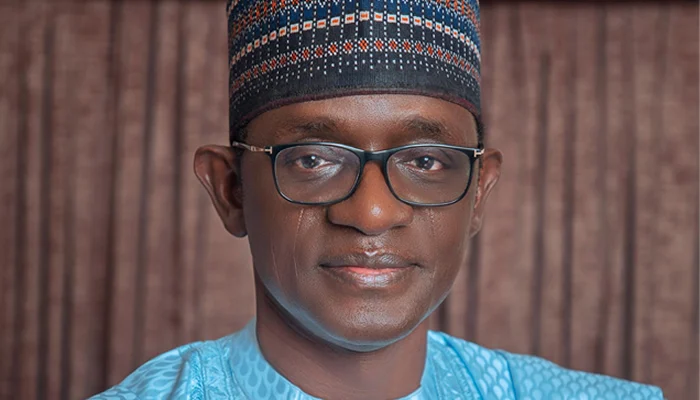

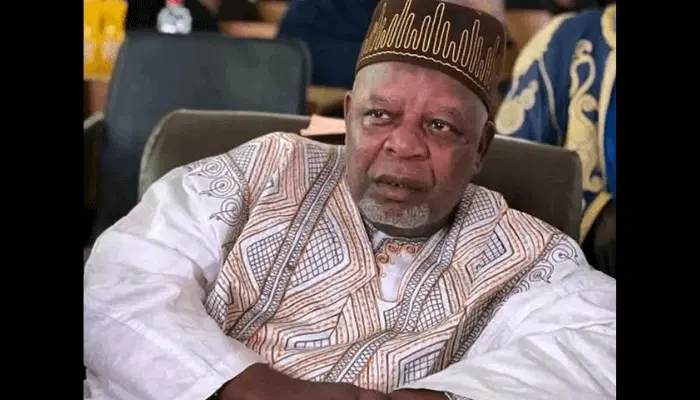
Former Director-General of the National Youth Service Corps (NYSC), Brigadier-General Maharazu Tsiga (retd.), has alleged that armed groups operating across Northern Nigeria may be benefiting from assistance provided by individuals occupying influential positions within society and government institutions.
Tsiga made the remarks in Kaduna during a press conference organised by friends, associates and former colleagues of the late Major-General Rabe Abubakar (retd.), who died while being held captive after his abduction in Katsina State.
Drawing from his own experience as a kidnapping victim earlier this year, the retired military officer said his time in captivity exposed the existence of extensive bandit support networks that operate far beyond the forests where criminal groups are based.
Tsiga, who was abducted from his hometown in Katsina State in February and spent several weeks in captivity before regaining freedom, said armed groups rely heavily on external collaborators to sustain their activities.
According to him, the criminal gangs maintain access to supplies, intelligence, logistics and communication channels through individuals who are not physically present in the camps but continue to provide critical support. He argued that these bandit support networks remain one of the biggest obstacles to ending insecurity in the region.
The retired general stressed that military operations alone may not be sufficient unless authorities also dismantle the structures that enable criminal groups to obtain weapons, ammunition, information and other operational resources.
“They Fear Death Like Everyone Else” Speaking on the challenges of negotiating with armed groups, Tsiga cautioned against assuming that dialogue alone can resolve the security crisis.
“It depends on who you are negotiating with and how committed and dedicated we are in making that negotiation,” he said.
He maintained that criminal groups remain vulnerable when confronted decisively.
“I am telling you that no matter what, and no matter the arrangement of negotiation, we are not going to have it easy with these bandits. We must follow them aggressively.” According to him, his interactions with the kidnappers revealed that they are neither invincible nor beyond fear.
“These people are human beings like us. They fear death. When we were in captivity, they feared death. They feared anybody who would come and challenge them, fight them and finish them.”
Tsiga recounted an incident during captivity that continues to trouble him. According to him, a caller contacted one of the bandit leaders at about 2 a.m. to discuss the sale of ammunition. The conversation, he said, appeared routine and suggested an established supply chain.
“One of the days I was there around 2 a.m., this issue came up. Somebody called and said, ‘Please, Kachala, are you ready to buy 10 cartons of ammunition?'”
The bandit leader reportedly responded that he was interested but needed to complete another matter first. After the call ended, Tsiga jokingly asked to be included in the business arrangement. The response he received, he said, left him deeply disturbed.
“He said, ‘Who are you? You are a retired general. You don’t have office. We are talking to people who are in office now.'”
The former NYSC boss said the statement raised serious concerns about the possible sources of support available to criminal groups operating across the North. He urged security agencies to widen their focus beyond armed fighters in the forests and intensify efforts to identify and prosecute individuals providing assistance to them.
According to Tsiga, defeating insecurity requires dismantling the entire ecosystem that sustains criminal activities. He said the fight must target financiers, suppliers, informants and collaborators who enable armed groups to acquire weapons, move resources and evade security operations.
Tsiga warned that unless these bandit support networks are identified and dismantled, efforts to restore lasting peace across Northern Nigeria may continue to face significant setbacks despite ongoing military offensives and security interventions.