

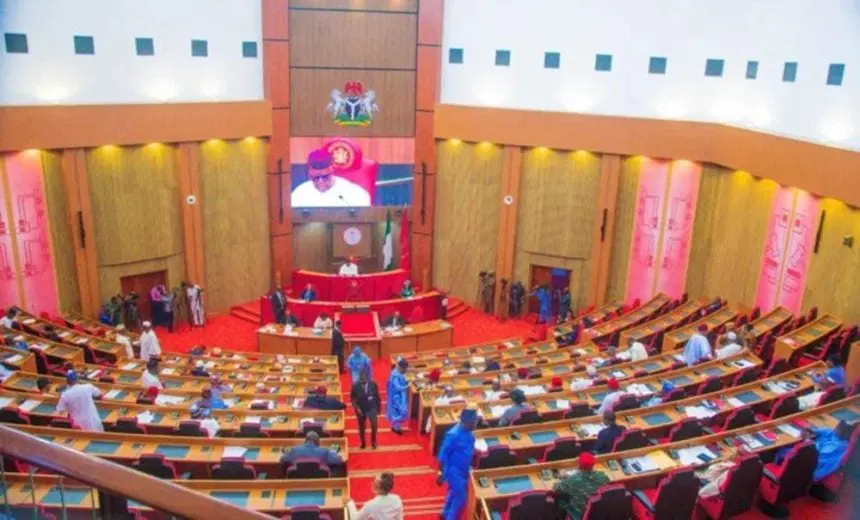
The ongoing APC primaries have triggered major political changes within the National Assembly after about 70 lawmakers reportedly lost their bids to secure return tickets ahead of the 2027 general elections. The development affects senators and members of the House of Representatives under the platform of the All Progressives Congress, reflecting growing internal competition within the ruling party.
Political parties across Nigeria have intensified preparations for the 2027 elections through ward congresses, delegate selection, and candidate nomination exercises. The APC primaries are regarded as particularly significant because of the party’s dominant position at the federal level and its influence across several states.
Over the years, internal party contests within the APC have often produced strong competition among serving lawmakers, former officeholders, and new aspirants seeking legislative positions. Analysts say the latest APC primaries indicate increasing pressure on incumbents as political alliances shift ahead of the elections.
The National Assembly has witnessed several changes in party structures and political loyalties since the 2023 elections, with lawmakers seeking re-election facing challenges from both established politicians and emerging contenders.
According to reports from various states, approximately 70 lawmakers failed to secure APC nominations during the primary elections conducted for Senate and House of Representatives seats. The affected legislators reportedly lost either through delegate voting or consensus arrangements adopted by party stakeholders in different constituencies.
Among those affected were serving senators and House members seeking another term in office under the APC platform. The outcome of the APC primaries has generated political reactions across several states, especially in constituencies where high-profile lawmakers were defeated by challengers.
Party officials stated that the primary elections were conducted in line with the APC’s internal democratic procedures and electoral guidelines. They noted that delegates were allowed to choose candidates through voting processes supervised by party electoral committees.
Political observers say many of the defeats reflected changing local political alliances, dissatisfaction among party stakeholders, and increased competition from younger aspirants and former officeholders seeking political comebacks.
The APC primaries also revealed divisions in some state chapters of the ruling party, where rival factions reportedly backed competing candidates. In several states, protests and complaints emerged following the announcement of results, although party leaders urged aggrieved aspirants to seek internal reconciliation.
Analysts noted that the large number of lawmakers losing return tickets could significantly alter the composition of the next National Assembly if the APC retains strong electoral performance in 2027. Some observers also believe the development reflects broader efforts within the party to refresh its legislative ranks ahead of another election cycle.
The outcome of the APC primaries is expected to intensify political realignments, with some unsuccessful aspirants potentially considering legal challenges or alternative political platforms before the general election.
Political analysts say the replacement of many serving lawmakers could reshape legislative leadership dynamics and committee structures in the next National Assembly. The development may also influence future alliances within the APC and affect policy continuity in some areas.
Observers further note that the outcome of the APC primaries demonstrates the growing competitiveness of internal party contests and the increasing influence of local political structures in determining candidate emergence.