
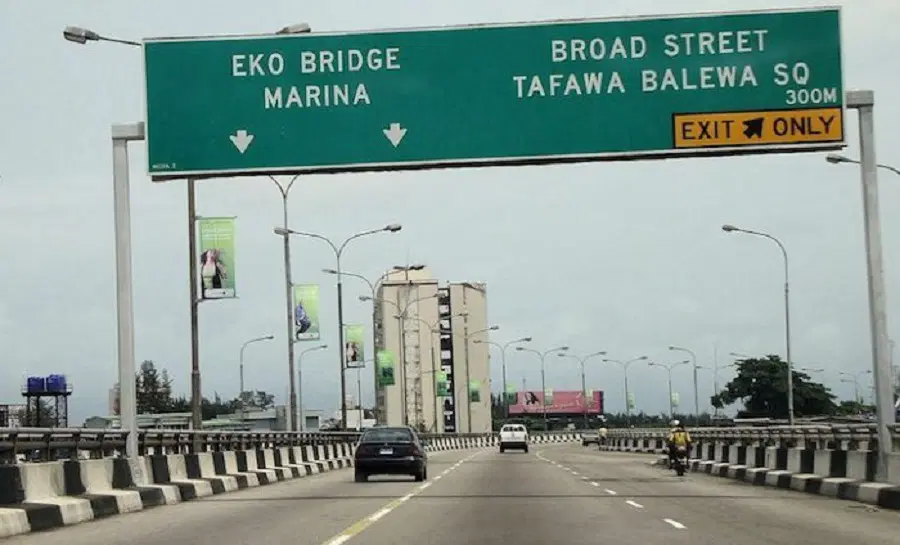
The Federal Government has suspended the planned Eko Bridge closure in Lagos State following concerns over potential traffic disruption and its impact on commuters and businesses within the state. The decision was announced after widespread public reactions to the proposed shutdown of sections of the bridge for repair works.
The Eko Bridge is one of the major transport routes connecting Lagos Island with other parts of the state, serving thousands of motorists daily. Authorities had earlier announced plans to partially close the bridge to allow maintenance and rehabilitation work aimed at improving structural safety and road conditions.
However, the proposed Eko Bridge closure generated concerns among residents, transport operators, and business owners who warned that shutting down the route could worsen traffic congestion across major parts of Lagos. The bridge plays a strategic role in easing movement between the mainland and the Island, especially during peak traffic periods.
The Federal Ministry of Works had previously carried out repair projects on major bridges and highways in Lagos as part of ongoing infrastructure rehabilitation efforts nationwide.
According to officials, the suspension of the planned Eko Bridge closure followed consultations with stakeholders and assessments of the likely impact on traffic movement within Lagos. Authorities stated that alternative traffic management measures would be considered before any future closure is implemented.
The Federal Controller of Works in Lagos reportedly confirmed that the government decided to halt the planned shutdown in response to public concerns and the need to minimise disruption to economic activities in the state.
Officials explained that while repair works on the bridge remain necessary, authorities are reviewing implementation strategies to ensure smoother traffic flow and reduce inconvenience for road users. The government added that the timing and structure of the repair exercise would be reassessed in collaboration with traffic management agencies and other stakeholders.
The proposed Eko Bridge closure had attracted reactions from commuters and transport groups who expressed fears that existing congestion on alternative routes such as Carter Bridge and Third Mainland Bridge could worsen significantly if Eko Bridge was shut down.
Traffic experts noted that Lagos already experiences heavy vehicular movement daily, particularly along major access routes connecting commercial districts and residential areas. Analysts say any disruption to bridge operations often affects travel time, logistics, and commercial activities within the state.
The suspension of the Eko Bridge closure is expected to provide temporary relief for commuters while authorities continue consultations on how to proceed with the planned rehabilitation project. Officials also reiterated that maintenance work on critical infrastructure remains necessary to ensure public safety and extend the lifespan of major transport facilities across the country.
Urban transport analysts say the decision reflects the importance of balancing infrastructure maintenance with economic and transportation realities in Lagos. They note that prolonged traffic disruption could negatively affect productivity, logistics operations, and commuter welfare.
Observers also believe the suspension of the Eko Bridge closure highlights increasing public sensitivity to transportation policies and infrastructure management within Nigeria’s commercial capital.