

The Peoples Democratic Party, PDP, has raised concerns over growing voter apathy among youth, warning that young Nigerians risk weakening their own democratic influence by staying away from elections. The warning was issued in Abuja during the party’s 2026 International Youth Day programme, where speakers challenged young Nigerians to take a more active role in elections, policymaking and governance.
They identified voter apathy, unemployment, economic hardship and the rising cost of political participation as major barriers limiting youth involvement in Nigeria’s political process.
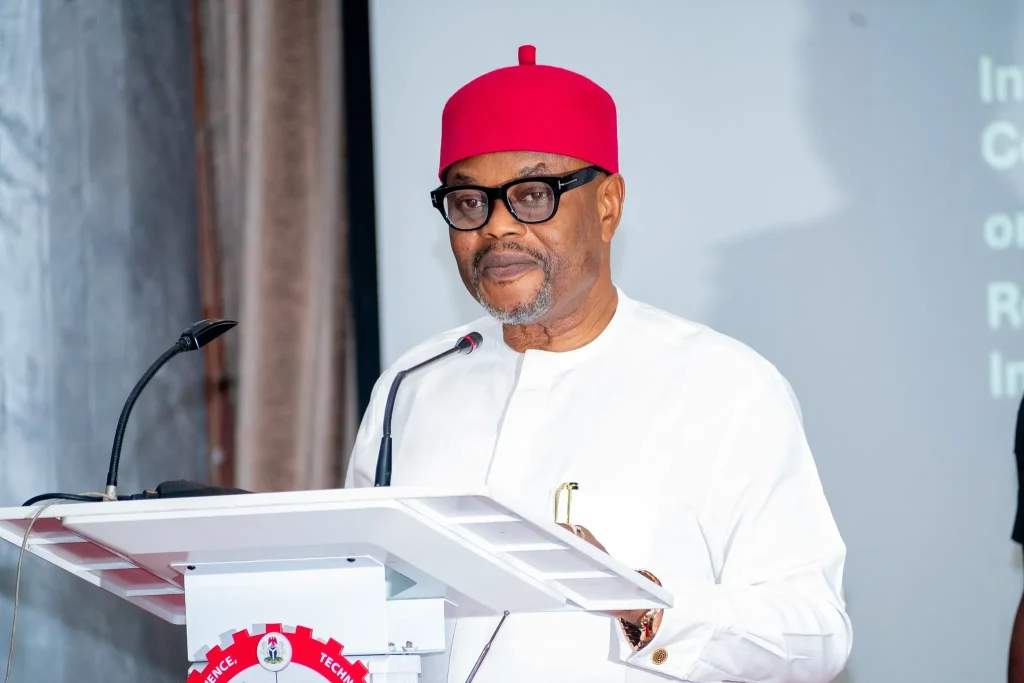
Delivering the keynote address, PDP National Director of Administration, Arthur Ekwelem, said Nigerian youths possessed the numbers, creativity, energy and digital influence required to reshape the country’s electoral landscape.
“Democracy thrives on participation. When citizens withdraw from the electoral process, they surrender part of their democratic power to others,” Ekwelem said.
He identified distrust in political institutions, fear of electoral violence, economic hardship, misinformation, inadequate civic education and logistical challenges as factors contributing to voter apathy among youth.
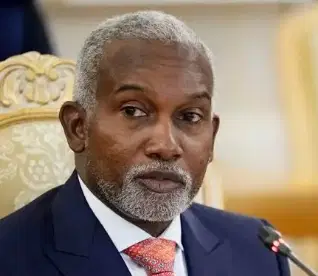
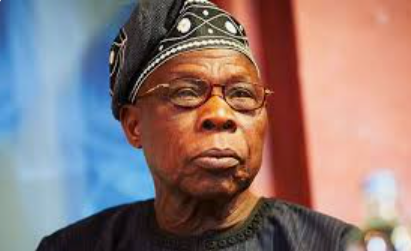
Ekwelem urged young Nigerians to recognise voting as a means of influencing decisions that directly affect their future. Representing former Jigawa State governor, Sule Lamido, at the event, PDP Gombe governorship candidate, Isah Pantami, said youths, who account for more than 60 per cent of Nigeria’s population, deserved a stronger voice in governance.
“They are the backbone of our humanity. They are the vanguards of any positive change,” Pantami said.
Pantami highlighted opportunities in the creative industry, digital economy, artificial intelligence, cybersecurity and smart agriculture. He, however, said unemployment, an outdated education system, inadequate mentorship and the rising cost of living continued to constrain young Nigerians.
The PDP chieftain also questioned the practical impact of the “Not Too Young To Run” principle, arguing that nomination fees, campaign expenses and other political costs remained significant barriers to young people seeking elective office. He described the gap between legal reforms and the realities of political participation as a major concern.
Director-General of the PDP Female Youth Wing, Hon. Loveth Izekor, urged young women to move beyond being mobilised as voters and seek positions where they could influence decisions. “Democracy dies when youth are silent. We must move from being mobilised to being decision-makers,” she said.
Izekor called for improved access to political financing, training opportunities and party tickets for young women. She described the programme as a strategy session rather than simply a celebration of International Youth Day.
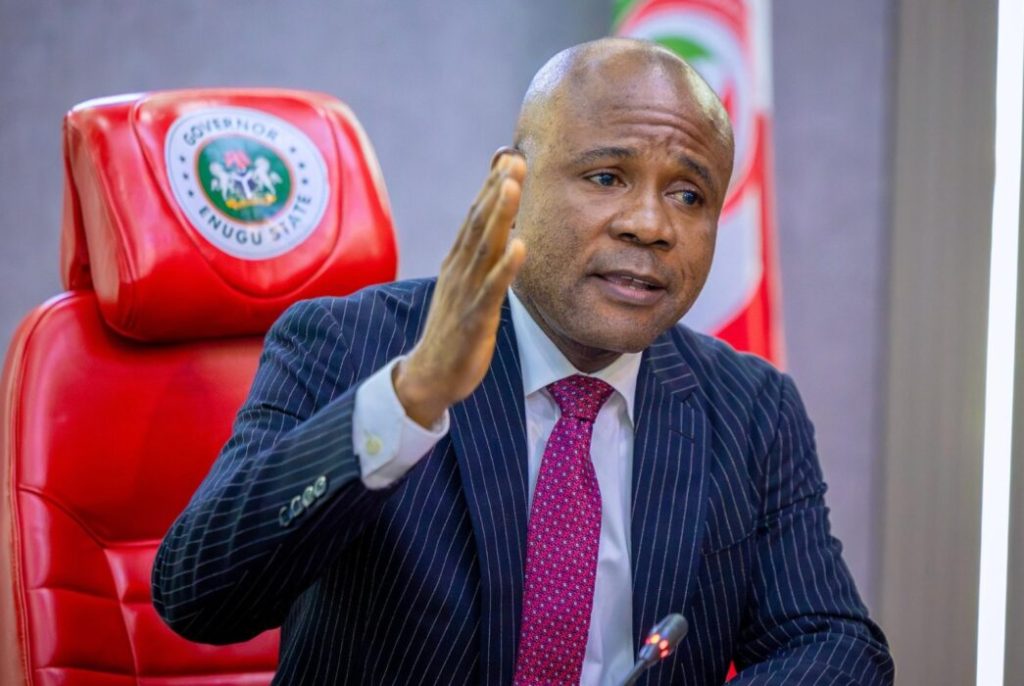
PDP National Youth Leader, Amb. Ibrahim Bala-Aboki, said his office had prioritised youth mobilisation, inclusion and grassroots participation. He said young members had been mobilised for party congresses, INEC e-registration and elective positions. According to him, the party had also inaugurated a National Youth Leadership Consultative Forum and begun revalidating youth support groups across the country.
Bala-Aboki further announced a skills initiative that would train 100 youths as trainers. Each trainer, he said, would subsequently train 50 youths across Nigeria’s 774 local government areas in vocational and entrepreneurial skills.
“This is the time for action, not docility,” he said.
The PDP youth leader urged young Nigerians to reject voter apathy among youth, stressing that their numerical strength could significantly influence the direction of Nigeria’s democracy.
“Every voter is a leader. Together, let us shape and forge our chosen future,” Bala-Aboki said.