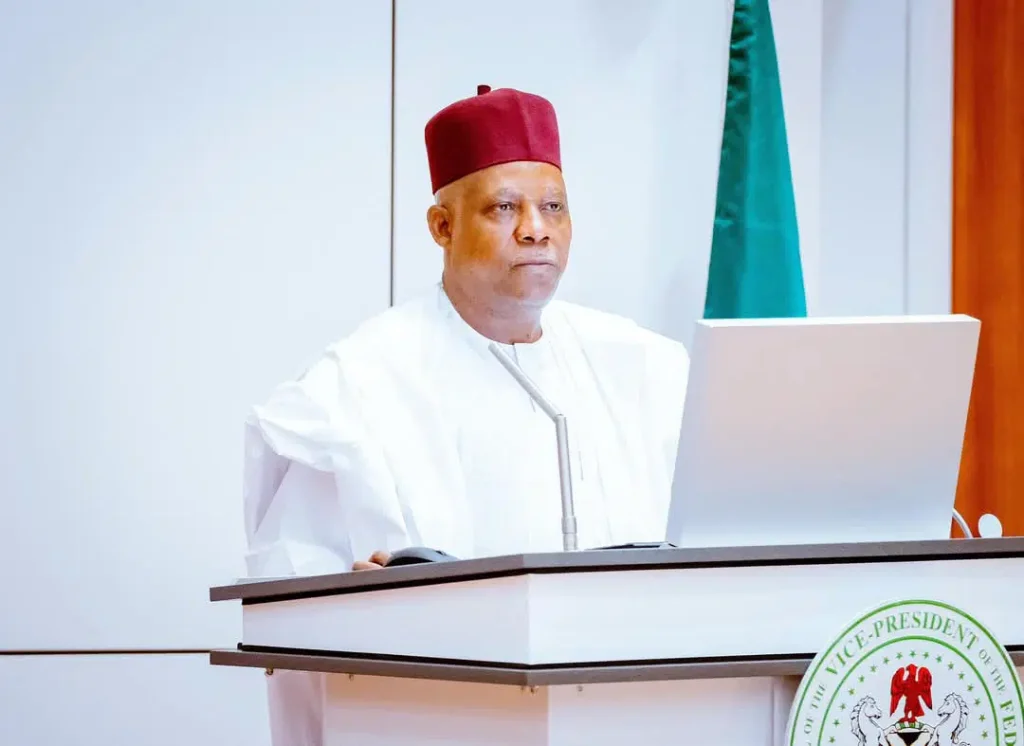

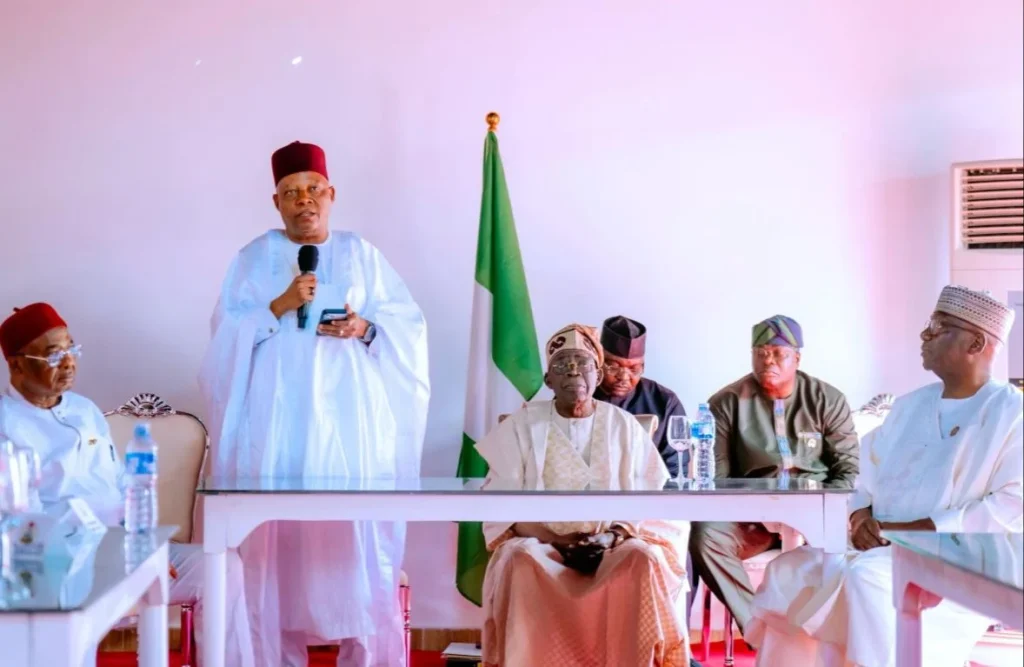
Vice President Kashim Shettima has disclosed that President Bola Tinubu deliberately kept the subsidy removal plan confidential before assuming office to prevent attempts by influential interests to persuade him against implementing the policy. Shettima said the decision was taken because previous administrations had struggled to execute the politically sensitive reform despite acknowledging its economic implications. The revelation adds new insight into the circumstances surrounding the subsidy removal plan announced by Tinubu during his inauguration on May 29, 2023.
The removal of fuel subsidy has remained one of Nigeria’s most controversial economic policy issues for years because of its direct impact on fuel prices, transportation costs, inflation, and household spending. Successive administrations had repeatedly discussed ending the subsidy regime but faced strong resistance from labour unions, civil society groups, political stakeholders, and sections of the public concerned about the economic consequences of the move.
Upon assuming office on May 29, 2023, President Tinubu announced that “fuel subsidy is gone” during his inaugural speech, effectively ending the long-standing subsidy arrangement. The announcement triggered immediate reactions across the country, including increases in petrol prices and public debate over the policy’s economic impact. The latest comments by Shettima provide further context regarding how the subsidy removal plan was prepared and executed within the administration.
According to Shettima, Tinubu intentionally restricted discussions surrounding the policy before inauguration because of concerns that various political and economic interests would attempt to influence the final decision. The Vice President stated that the President understood the political risks associated with the reform but considered it necessary for the country’s economic future.
Shettima explained that the subsidy removal plan was not widely disclosed because the administration anticipated significant pressure from individuals and groups benefiting from the existing subsidy structure. He said Tinubu remained convinced that delaying implementation would make the reform more difficult to achieve. The Vice President noted that previous governments had recognised challenges associated with fuel subsidy payments but often postponed decisive action because of anticipated public backlash and political consequences.
The policy was eventually announced during Tinubu’s swearing-in ceremony, surprising many political observers and stakeholders. Reports later indicated that subsidy provisions in the 2023 budget were already limited, creating pressure for the incoming administration to make decisions regarding continuation of the programme.
Shettima maintained that the subsidy removal plan was designed to address long-standing fiscal pressures affecting public finances. He argued that the policy aimed to redirect resources toward broader economic development priorities while reducing unsustainable government expenditure.
Government officials have repeatedly defended the policy, stating that subsidy payments placed significant pressure on national finances and contributed to fiscal challenges. Tinubu has also maintained that ending the subsidy helped prevent deeper economic instability and financial strain. The comments come as debates continue regarding the long-term impact of the subsidy removal plan on inflation, public welfare, government revenue, and economic reform efforts.
The disclosure may further shape public discussions about how major economic reforms are designed and implemented within government.
Supporters of the policy argue that subsidy removal was necessary to improve fiscal sustainability and reduce economic distortions, while critics continue to point to rising living costs and inflationary pressures that followed implementation. The debate surrounding the subsidy removal plan remains central to wider conversations about economic reform, governance decisions, and public accountability under the Tinubu administration.