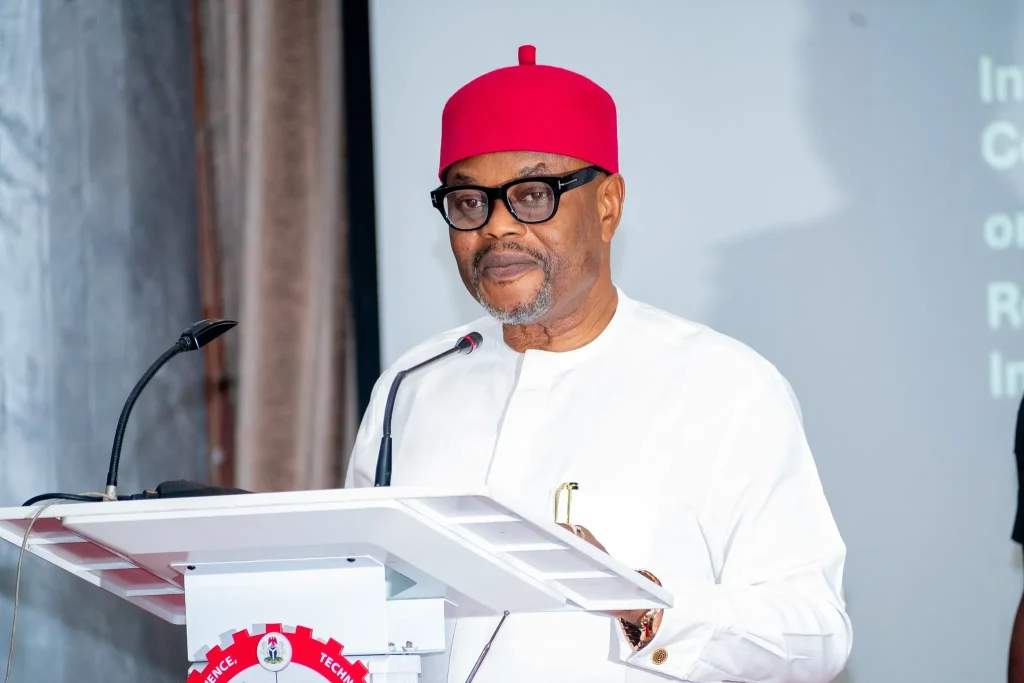

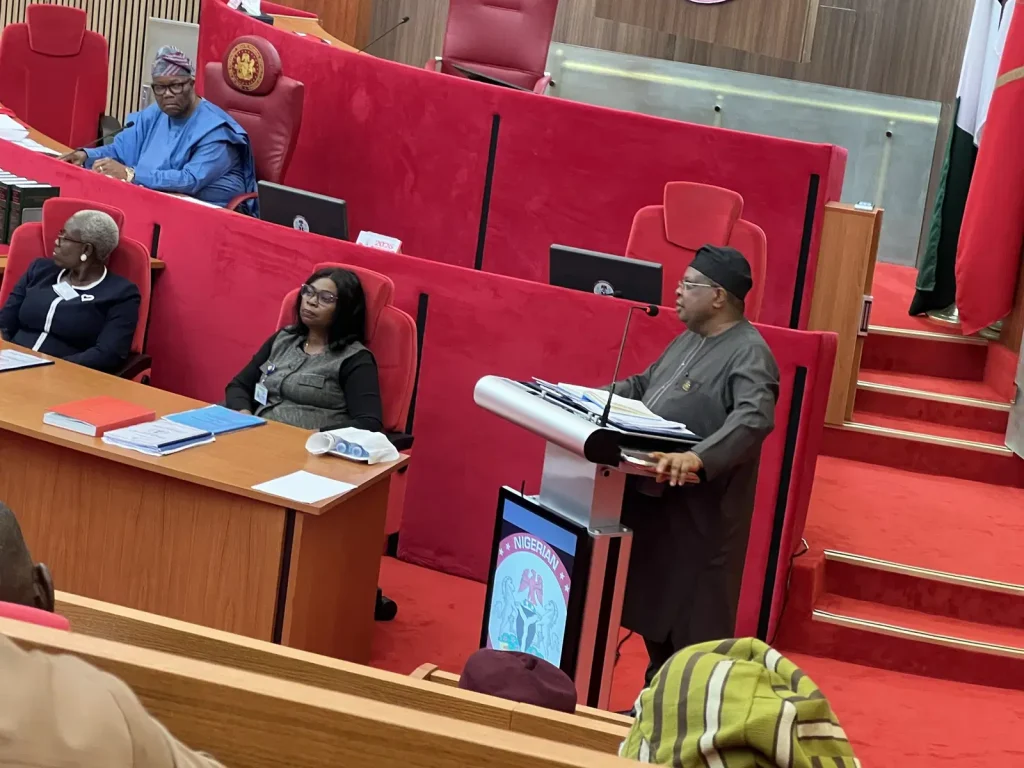
The Minister of Power, Joseph Olasunkanmi Tegbe, has clarified reports surrounding his remarks on electricity reform, stating he never promised a rapid national grid fix within three months. The clarification follows public debate triggered by interpretations of his Senate screening comments on May 6, 2026. Tegbe emphasized that his position was focused on phased reforms and early stabilisation measures rather than a full resolution timeline.
Tegbe appeared before the Senate for screening ahead of his ministerial confirmation, where he addressed Nigeria’s persistent electricity challenges, including repeated national grid collapses and structural inefficiencies in the sector. During the session, he outlined a phased approach to reforms, stressing that the power sector requires sustained intervention rather than short-term fixes.
Following the screening, some media reports suggested that he committed to resolving grid issues within three months. This interpretation sparked public debate, given the complexity of Nigeria’s electricity infrastructure and historical reform attempts.
In a statement issued through his spokesperson, Adeola Adelabu, Tegbe denied making any commitment to fully resolve grid instability within a three-month period. He clarified that his remarks focused on early stabilisation efforts and structured milestones for reform implementation.
Tegbe explained that initial priorities would include stabilising the transmission network, improving system discipline, and addressing operational inefficiencies across the electricity value chain. He also noted that deeper structural reforms in metering, gas supply, and sector financing would require longer timelines tied to technical assessments and stakeholder engagement.
During the Senate screening, Tegbe stressed that Nigerians would begin to see visible improvements within a defined early implementation window, but he did not frame this as a full resolution of the national grid challenges. He also highlighted ongoing sector pressures, including infrastructure weaknesses and financial constraints affecting generation and distribution companies.
The clarification on national grid fix comes at a time of heightened public sensitivity to electricity reforms, as Nigeria continues to experience periodic grid collapses and unreliable power supply. The debate underscores the gap between public expectations and the structural realities of reforming a capital-intensive and technically complex sector.
Policy analysts note that managing expectations is critical, especially in sectors where outcomes depend on long-term investment cycles, institutional coordination, and technical upgrades. The clarification may also influence how future ministerial commitments are communicated to avoid misinterpretation.