
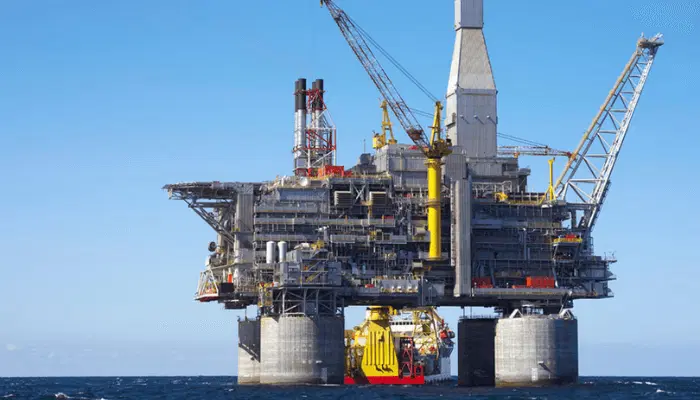
Nigeria’s crude production recorded a slight increase in May 2026 as the country’s oil output rises modestly, though production levels remained below the quota allocated by the Organisation of Petroleum Exporting Countries, OPEC. Latest industry data showed that Nigeria continued to struggle with meeting its production target despite improved operational stability in parts of the oil sector.
Nigeria has faced persistent challenges in meeting OPEC production quotas in recent years due to pipeline vandalism, crude theft, underinvestment, and operational disruptions affecting major oil assets. Although the government and security agencies intensified efforts to curb oil theft and improve output recovery, production performance has remained inconsistent.
The latest report showing that oil output rises comes amid broader efforts by authorities and industry operators to stabilise production and improve foreign exchange earnings tied to crude exports. Nigeria remains heavily dependent on oil revenue to support public finance and external reserves.
According to figures cited in the report, Nigeria’s crude oil production increased marginally to approximately 1.49 million barrels per day in May 2026 from around 1.48 million barrels per day recorded in the previous month. However, the figure remained below the country’s OPEC quota of about 1.5 million barrels per day.
Industry analysts said the slight improvement reflected gradual recovery across some upstream operations and reduced disruptions in selected production corridors. Nonetheless, output growth remained constrained by infrastructure weaknesses and ongoing security concerns affecting production facilities.
The development comes as Nigeria continues efforts to attract fresh upstream investments under the Petroleum Industry Act framework. Analysts noted that while oil output rises slightly, sustained improvements would depend on long-term infrastructure rehabilitation, security stability, and investor confidence.
Officials in the sector also linked the production increase to improved collaboration between security agencies, host communities, and operators in combating pipeline vandalism and illegal refining activities. However, experts cautioned that the margin of improvement remains too narrow to significantly strengthen Nigeria’s fiscal position or fully satisfy OPEC production expectations.
The report further highlighted that Nigeria’s production performance remains closely monitored by global energy markets because of the country’s strategic role within OPEC and the wider African oil industry. The fact that oil output rises only marginally despite interventions has continued to generate concerns over the pace of sector recovery.
Economists say continued underperformance relative to OPEC quotas could affect Nigeria’s revenue projections and foreign exchange inflows, especially at a time of rising fiscal pressure and growing public expenditure needs.
Energy analysts also warn that modest improvements alone may not be sufficient to reassure investors or significantly improve long-term production sustainability without broader structural reforms. The latest figures suggest that although oil output rises, deeper operational and security challenges within the oil sector remain unresolved.