
The health crisis in Zamfara has intensified during the rainy season, with Médecins Sans Frontières (MSF) reporting a sharp rise in disease cases, hunger-related complications, and pressure on limited healthcare services across affected communities. The organisation said seasonal flooding and poor access to care have worsened already fragile conditions. The health crisis in Zamfara reflects the combined impact of insecurity, displacement, and environmental challenges affecting public health delivery.
Zamfara State has experienced prolonged insecurity linked to armed banditry, which has led to widespread displacement of rural communities and disruption of farming activities. These conditions have contributed to rising food insecurity and reduced access to healthcare services in many parts of the state.
Humanitarian organisations such as MSF have been providing emergency medical assistance, including nutrition support, maternal healthcare, and treatment for infectious diseases in vulnerable communities.
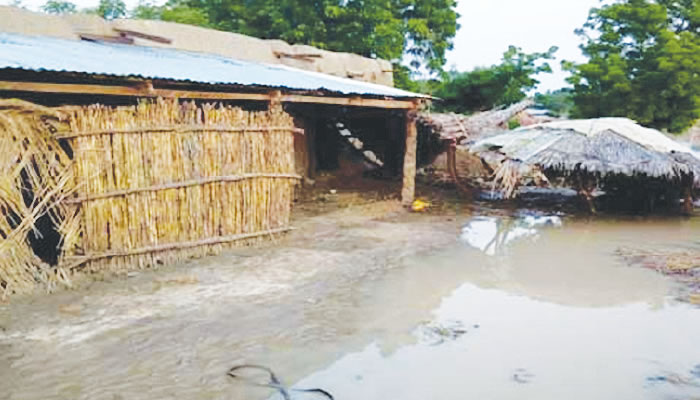
During the rainy season, health risks typically increase due to flooding, contaminated water sources, and limited access to health facilities. The current health crisis in Zamfara has been further compounded by these seasonal challenges, creating additional strain on humanitarian response systems.
MSF reported an increase in cases of malaria, waterborne diseases, and malnutrition-related illnesses across several affected areas in Zamfara State. The organisation stated that healthcare demand has risen significantly, placing pressure on already limited medical infrastructure. The health crisis in Zamfara has been linked to worsening access to healthcare services due to insecurity, displacement, and seasonal flooding that affects movement and supply chains.
According to MSF, mobile medical teams have been deployed to provide emergency healthcare services in hard-to-reach communities. The organisation also noted that children and pregnant women remain among the most vulnerable groups affected by the crisis.
Health workers reported that environmental conditions during the rainy season have contributed to the spread of preventable diseases, further complicating ongoing humanitarian efforts. The health crisis in Zamfara continues to challenge response capacity in the region.
The worsening health crisis in Zamfara raises concerns about long-term public health outcomes in areas affected by insecurity and displacement. Humanitarian experts warn that continued exposure to disease and food insecurity could increase mortality risks if interventions are not scaled up.
The situation also highlights the importance of sustained humanitarian funding, improved healthcare access, and coordinated emergency response mechanisms. Stakeholders note that addressing the health crisis in Zamfara will require combined efforts from government agencies, international organisations, and local health providers to strengthen resilience in affected communities.