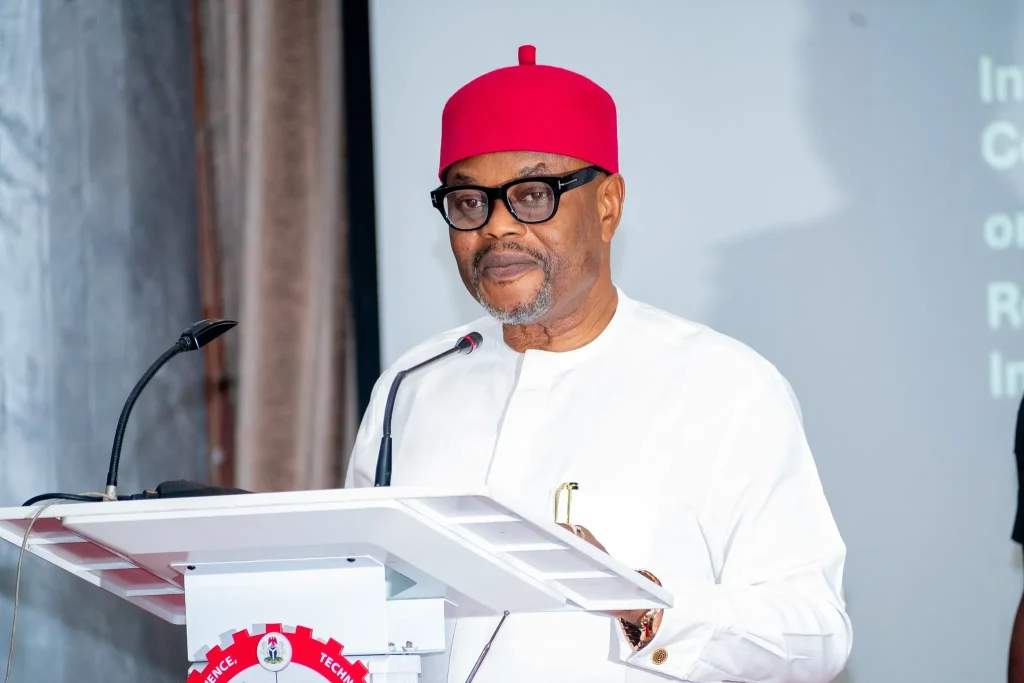


Engineers have called for greater adoption of engineering cost control, valuation and engineering economy principles to curb project cost overruns, eliminate waste and improve the delivery of infrastructure projects across Nigeria.
The appeal was made during the 2026 National Technical Conference of the Institute of Appraisers and Cost Engineers (IACE) held in Abuja. The conference was themed “Engineering Valuation, Cost Engineering and Engineering Economy Solutions in Emerging Economies.”
Speaking at the event, President of the Nigerian Society of Engineers (NSE), Engr. Ali Rabiu, said countries around the world are under increasing pressure to maximise limited resources while meeting growing demands for infrastructure, economic development and improved living standards.
Rabiu, who was represented by Engr. Dauda Musa, noted that emerging economies such as Nigeria must place greater emphasis on engineering valuation, cost optimisation and sound economic analysis to ensure that both public and private investments deliver lasting value. According to him, these principles have become essential tools for achieving sustainable development while making the best use of scarce financial resources.
Rabiu explained that the conference created an opportunity for professionals to exchange ideas, share practical experiences and explore innovative solutions capable of improving project planning and execution.
He said discussions at the gathering were expected to strengthen strategies for efficient resource management, accelerate infrastructure development and promote sustainable national growth. The NSE president added that embracing modern engineering cost management practices would help governments and private investors obtain better value from development projects.
In his remarks, the outgoing National Chairman of the Institute of Appraisers and Cost Engineers, Engr. Ike Iwenofu, highlighted the importance of integrating engineering valuation, cost engineering and engineering economy into project management.
According to him, combining the three disciplines provides a practical framework for improving operational efficiency, reducing waste and maintaining tighter control over project budgets and delivery schedules. He noted that effective application of these principles can help minimise financial leakages while ensuring projects are completed within approved timelines and budgets.
Participants at the conference agreed that stronger implementation of engineering cost control practices would contribute significantly to improving project delivery in Nigeria. They maintained that better valuation systems, disciplined cost management and sound economic analysis are critical to achieving more efficient infrastructure development and supporting long-term economic growth in emerging economies.