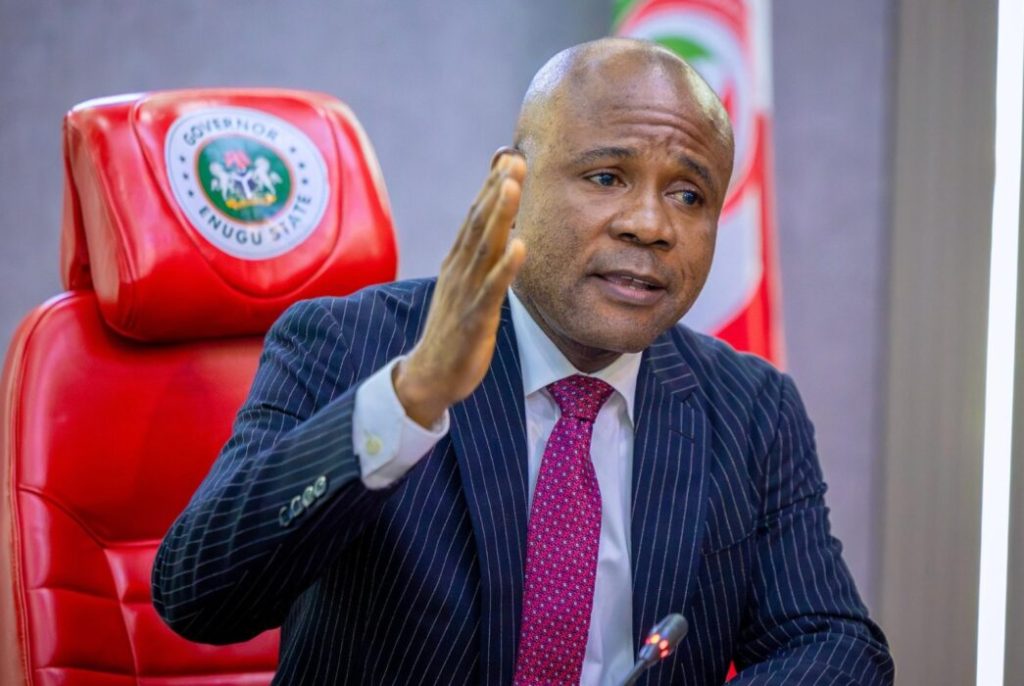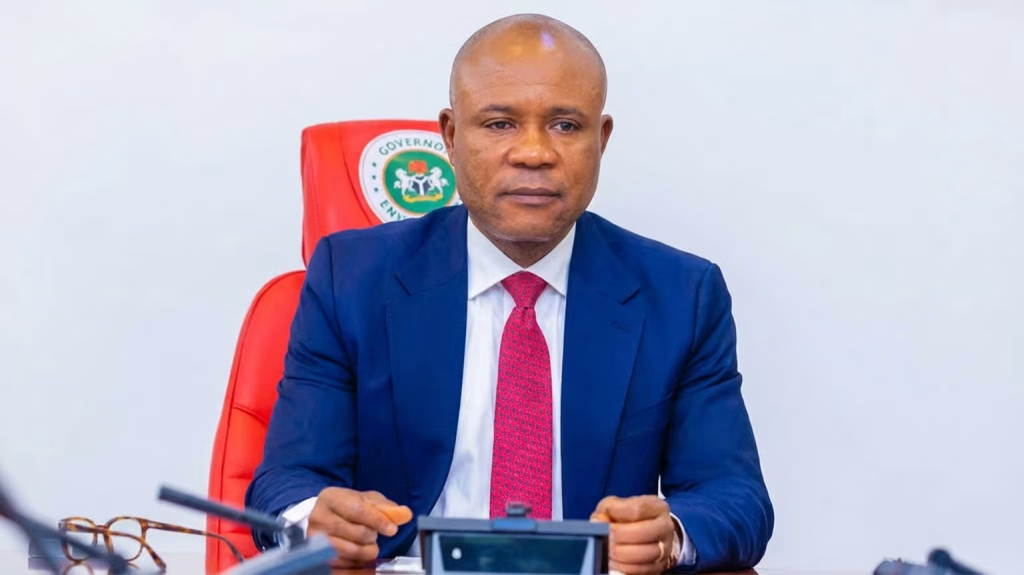

The scale of Abia road projects executed under Governor Alex Otti has reached 414 within three years, according to a statement from the state government, which also disclosed a 60 per cent reduction in state debt. The announcement highlights ongoing infrastructure expansion and fiscal adjustments in Abia State. The Abia road projects were presented as part of broader governance reforms aimed at improving road connectivity and financial stability.
Road infrastructure remains a central focus of development planning in many Nigerian states due to its impact on economic activity, transportation efficiency, and access to services. Abia State has in recent years prioritised rehabilitation and construction of roads to improve urban and rural connectivity.
Infrastructure development in the state has often been linked to broader economic objectives, including trade facilitation, investment attraction, and improved movement of goods and services. The latest update on Abia road projects reflects continued emphasis on transportation infrastructure as a driver of economic activity.
Debt management also remains a key concern for subnational governments in Nigeria, where revenue constraints and infrastructure demands often require borrowing. Fiscal reports from state governments frequently highlight efforts to balance development spending with debt sustainability.
According to the state government, 414 road projects have been completed or are ongoing under the current administration led by Governor Alex Otti. The announcement was made as part of an update on infrastructure delivery and fiscal performance. The Abia road projects were presented alongside claims that the state’s debt burden has been reduced by 60 per cent within three years. Officials attributed the reduction to fiscal discipline, revenue optimisation, and restructuring of financial obligations.
Government statements indicate that the road projects span urban renewal works, rural road rehabilitation, and inter-community connectivity routes aimed at improving transportation networks across the state. The update on Abia road projects was also positioned as evidence of the administration’s focus on infrastructure-led development. Officials emphasized that road construction remains central to economic revitalisation efforts in the state.
The expansion of Abia road projects may improve transportation efficiency, reduce travel time, and enhance economic activity across communities in the state. Improved road networks are also expected to support agriculture, commerce, and mobility.
The reported reduction in debt alongside infrastructure expansion could influence public perception of fiscal management in Abia State. Analysts often note that balancing infrastructure development with debt sustainability remains a key challenge for subnational governments. The scale of Abia road projects may also set benchmarks for future infrastructure planning and governance expectations within the state.