
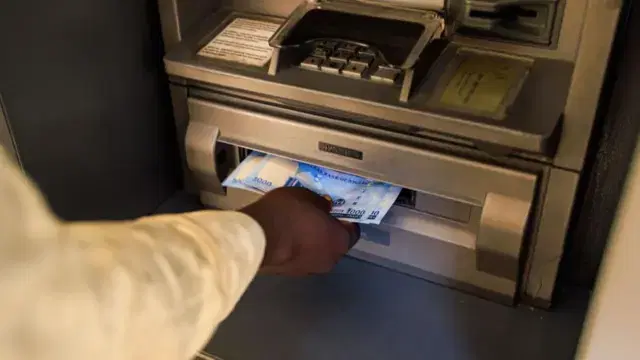
The value of automated teller machine transactions in Nigeria has risen sharply to ₦36.34 trillion, reflecting changing patterns in how Nigerians access cash and manage daily spending. Financial data released by banking regulators indicate a significant year on year increase, pointing to sustained reliance on ATMs despite the growth of mobile and online payment platforms.
The surge represents a 197.86 percent increase compared to the previous reporting period, highlighting how cash access remains central to everyday transactions. While digital transfers and wallet based payments continue to expand, ATMs still serve as a critical bridge between formal banking systems and street level economic activity.
For many young Nigerians, ATMs remain the fastest way to convert digital earnings into usable cash. Freelancers, content creators, small traders, and gig workers often rely on ATM withdrawals to settle daily expenses, pay transport fares, and manage informal transactions that still dominate local markets.
Banking analysts attribute the rise in ATM usage to multiple factors, including increased account ownership, expanded ATM networks, and rising transaction volumes driven by inflation. As prices increase, withdrawal values tend to rise even when purchasing habits remain stable, contributing to higher overall transaction figures.
Urban centers account for a large share of ATM activity, with transport hubs, campuses, markets, and commercial districts recording steady demand. However, semi urban and rural areas have also seen increased usage as financial inclusion initiatives extend banking infrastructure beyond major cities.
The data also reflects behavioral shifts following past cash supply disruptions. Many Nigerians now withdraw funds in advance to avoid access uncertainty, particularly during peak periods such as holidays and salary cycles. This precautionary approach has contributed to higher transaction volumes across the banking system.
From a youth economy perspective, the figures highlight how formal banking tools support informal hustle culture. Street vendors, ride hailing drivers, creatives, and student entrepreneurs often operate in cash based environments while earning digitally. ATMs enable this transition, making them a vital part of daily economic flow.
Regulators note that the continued relevance of ATMs underscores the need for improved reliability and security. Downtime, cash shortages, and network failures remain common complaints, particularly during weekends and high demand periods. Addressing these issues is critical to maintaining public trust in the banking system.
Financial institutions have responded by expanding ATM deployment, upgrading machines, and improving cash replenishment cycles. There is also growing interest in hybrid solutions that combine ATM access with agent banking and digital kiosks in underserved areas.
The rise in ATM transactions also raises policy questions about the pace of Nigeria’s transition toward a less cash dependent economy. While digital payments are expanding, the data suggests that cash will remain relevant in the near term, especially for youth driven informal sectors.
As financial systems continue to evolve, the challenge for institutions will be balancing digital innovation with reliable cash access. For millions of young Nigerians navigating flexible work and street level commerce, ATMs remain more than machines. They are a daily gateway to participation in the economy.