

Cross River State says it is still awaiting justice over the long-running dispute surrounding the ownership of disputed oil wells transferred to neighbouring Akwa Ibom State. The renewed position follows findings by the Inter-Agency Technical Committee (IATC) established by the Revenue Mobilisation Allocation and Fiscal Commission (RMAFC), which reportedly recommended that Cross River should benefit from derivation revenue linked to the disputed oil wells.
The controversy dates back to the aftermath of the Bakassi Peninsula cession to Cameroon following the ruling of the International Court of Justice (ICJ). Subsequent boundary adjustments and legal interpretations resulted in the transfer of several oil wells previously linked to Cross River State to Akwa Ibom State.
In 2012, the Supreme Court ruled that 76 offshore oil wells belonged to Akwa Ibom State. However, Cross River authorities have continued to argue that the judgment relied on flawed maps and inaccurate geographical interpretations. The state maintains that the loss of the disputed oil wells significantly affected its economic standing and derivation revenue profile.
According to the IATC report referenced by RMAFC, 119 crude oil and gas wells were originally attributed to Cross River State before the disputed allocation process. The committee reportedly recommended that Akwa Ibom State refund derivation revenue received from the affected oil assets.
The committee was constituted to verify coordinates of disputed and newly drilled oil and gas wells across the Niger Delta from 2017 to December 2025. Its members included representatives from RMAFC, the Nigerian Upstream Petroleum Regulatory Commission (NUPRC), the National Boundary Commission (NBC), and the Office of the Surveyor-General of the Federation (OSGoF).
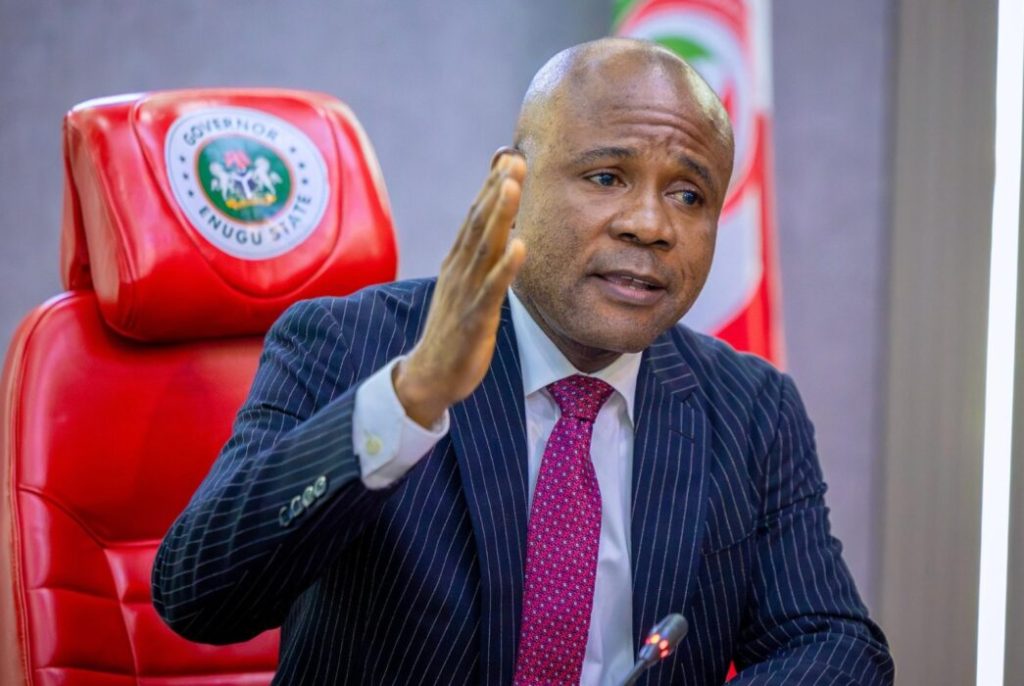
Governor Bassey Otu said the findings challenge the long-held narrative that Cross River lost its littoral status after Bakassi was ceded to Cameroon in 2008. Speaking during a fact-finding engagement with journalists earlier in the year, Otu stated that the state had sacrificed Bakassi and associated economic assets “for Nigeria to achieve peace.” He argued that the continued denial of benefits tied to the disputed oil wells had weakened the state’s economy and affected development efforts.
RMAFC Chairman Mohammed Bello Shehu, however, clarified that the committee’s document remains a draft pending technical review by relevant agencies, including NUPRC, NBC, and OSGoF.
The dispute remains significant because derivation revenue forms a major component of funding for oil-producing states in Nigeria. Analysts say the outcome of the matter could affect inter-state revenue allocations, federal boundary administration, and future resource control debates within the Niger Delta region.
The renewed attention on the disputed oil wells also reflects broader concerns around maritime boundaries, constitutional interpretation, and the management of natural resource ownership in Nigeria’s federal structure.