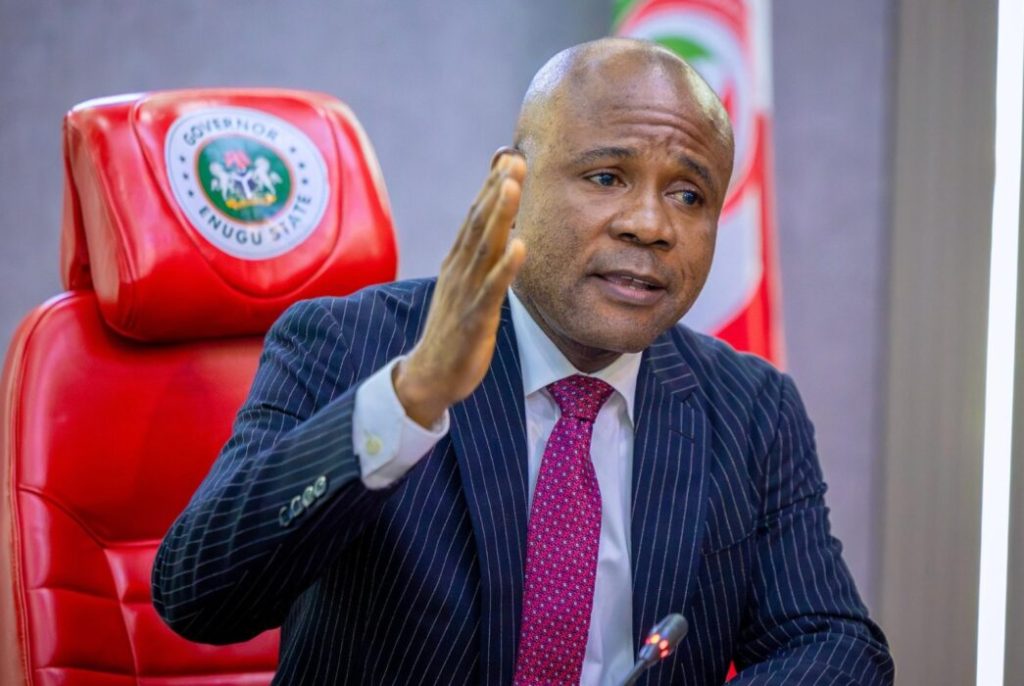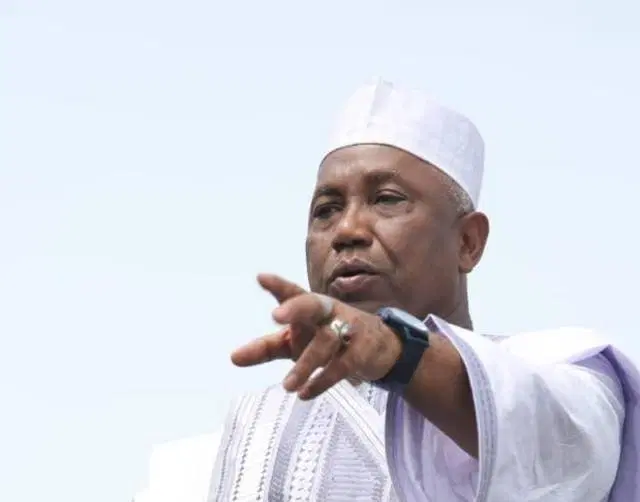


The departure of Peter Obi and Rabiu Kwankwaso from the African Democratic Congress coalition has triggered what party officials describe as an ADC exit setback, forcing a recalibration of its opposition strategy ahead of the 2027 general elections. While acknowledging the political weight of both figures, the party insists the development is not crippling, arguing instead that it clears the path for internal consolidation and clearer direction.
The African Democratic Congress positioned itself in recent months as a coalition platform for opposition forces seeking to challenge the ruling All Progressives Congress in 2027. Discussions around a broader alliance included Peter Obi of the Labour Party and Rabiu Kwankwaso of the New Nigeria Peoples Party, both of whom commanded significant electoral support in the 2023 presidential election.
Their subsequent alignment with the Nigeria Democratic Congress has disrupted ongoing coalition calculations. The ADC exit setback has therefore become a defining point in the party’s evolving political posture, especially as opposition blocs continue to fragment and reassemble ahead of the next election cycle.
Speaking on Arise News’ Prime Time programme, ADC National Publicity Secretary Bolaji Abdullahi did not dismiss the significance of the development. He described the ADC exit setback as politically consequential, particularly given the electoral strength associated with both Obi and Kwankwaso.
“Is it a setback? The answer is yes. Is it a fatal blow? The answer is no, because the objectives are very clear. They are still the same,” Abdullahi said. He noted that both politicians played major roles in shaping voter turnout and political momentum in the 2023 elections, making their departure notable within opposition circles.
Abdullahi also admitted personal disappointment over the split but avoided attributing blame. “Personally, I’m not happy they left. And I cannot tell you why, because I have my own sentiments,” he said.
Despite the ADC exit setback, he argued that the party now has greater room to focus on internal structure, organisation, and long-term planning without the complexity of managing a broad coalition.
“In a way, it’s a bit of relief. Now we can focus on really doing what we need to do,” he added. Party officials maintained that the ADC does not view the departing politicians as adversaries and did not rule out future political cooperation.
The ADC exit setback underscores the instability shaping opposition coalition politics ahead of 2027. The exit of two high-profile political figures reduces the immediate bargaining strength of the ADC within broader alliance discussions.
It also reflects the fluid nature of Nigeria’s opposition realignment process, where political actors continue to reposition based on strategic calculations rather than fixed alliances. Analysts note that such movements could further fragment opposition coordination efforts, particularly in negotiations aimed at presenting a unified presidential front.