
The INEC registration dispute over the approval of the Nigeria Democratic Congress (NDC) has intensified, with Senator Seriake Dickson defending the party’s legitimacy while Dr. Umar Ardo announced plans to challenge the process in court. The disagreement centres on how the Independent National Electoral Commission (INEC) handled political party applications ahead of the 2027 general elections, adding new tension to Nigeria’s evolving political landscape.
The Nigeria Democratic Congress (NDC) is one of the political associations seeking formal recognition ahead of the 2027 elections. The Independent National Electoral Commission (INEC) is mandated under the 1999 Constitution and the Electoral Act 2022 to register political parties that meet established legal requirements.
INEC guidelines require associations to demonstrate compliance with structural, administrative, and national spread criteria before approval. Reports indicate that 171 associations applied for registration, with only a fraction progressing through the process.
The emergence of the current INEC registration dispute follows concerns raised by some applicants over consistency and transparency in the evaluation process.
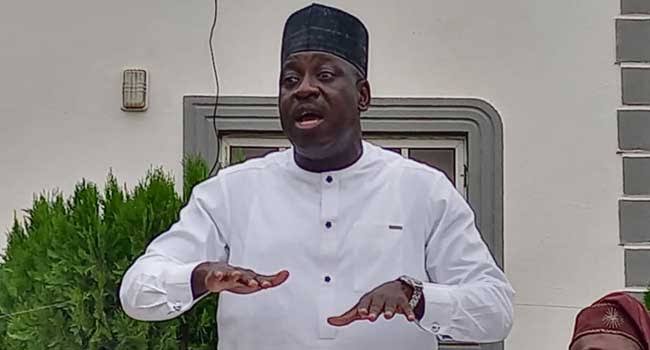
Senator Seriake Dickson, a leading figure in the NDC, rejected allegations surrounding the INEC registration dispute, insisting that the party’s formation followed due process. He stated that the registration effort began as far back as 2017.
“For the record, the annexures show that we initiated the registration process for the NDC as far back as 2017,” Dickson said. He further urged the public to disregard claims he described as misleading, stating that political processes often attract misinformation and controversy.
Dr. Umar Ardo, associated with the All Democratic Alliance, however challenged the process, arguing that INEC did not apply uniform standards during party approvals. He alleged that the NDC benefited from registration without proper procedural compliance.
“The Nigerian Democratic Congress, NDC, obtained registration without properly applying,” Ardo stated. He added that his group complied fully with INEC requirements but was denied approval, reinforcing that he would pursue legal redress.
“We are appealing the process… we will now proceed on appeal,” he said. Meanwhile, the NDC National Secretary, Ikenna Enekweizu, dismissed the allegations as “mischievous and misleading,” maintaining that the party followed all legal requirements.
The INEC registration dispute raises broader questions about fairness, transparency, and institutional consistency in Nigeria’s electoral system. Legal proceedings could shape how future political party registrations are assessed and approved.
The outcome may also influence public confidence in INEC’s regulatory role, particularly ahead of the 2027 elections, where political realignments are already emerging. For political stakeholders, the dispute highlights the increasing legal and institutional scrutiny surrounding party formation and electoral inclusion.