
Amukpe Escravos pipeline value has come into sharper focus after fresh assessments placed the asset at nearly $700 million, a significant jump from previous estimates. The development is reshaping discussions around ownership stakes, transaction structures, and strategic importance within Nigeria’s oil and gas infrastructure.
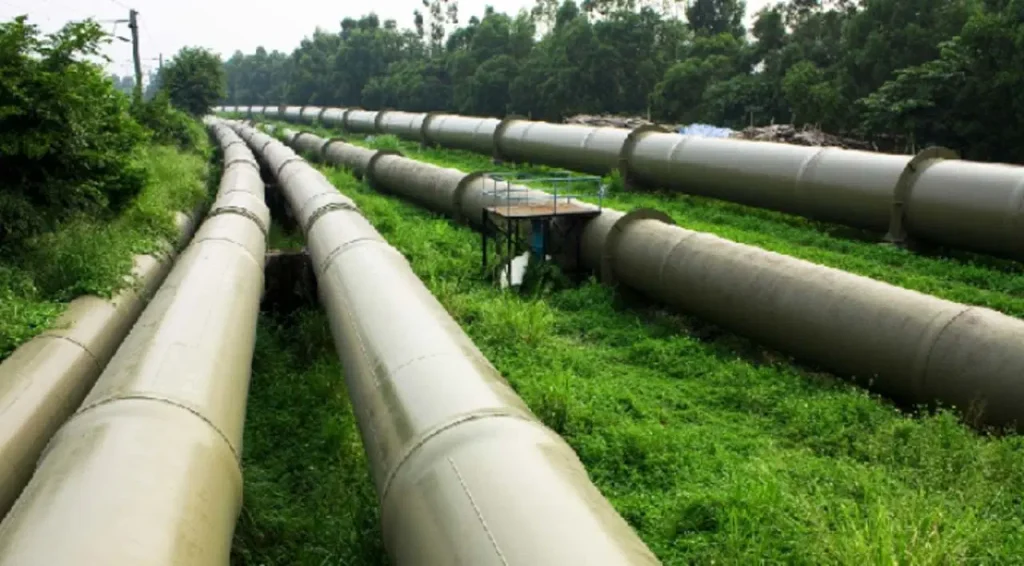
The Amukpe–Escravos Pipeline is a key crude evacuation infrastructure in Nigeria’s Niger Delta, designed to transport oil from onshore production areas to the Escravos export terminal. It serves as an alternative route to reduce dependence on older evacuation systems and improve export reliability.
In recent years, the pipeline has been central to discussions around midstream infrastructure efficiency, production stability, and investment flows in Nigeria’s oil sector. Its operational relevance has also made it a focal point in transaction and valuation debates involving stakeholders in the upstream and midstream segments.
Recent reassessments show that the Amukpe Escravos pipeline value has increased significantly, with estimates rising from a previous range of about $200 million–$243 million to nearly $700 million or more.
This upward valuation reflects broader re-evaluation of Nigeria’s crude evacuation infrastructure amid changing production dynamics and asset performance considerations. The pipeline, which has a capacity of about 160,000 barrels per day, plays a strategic role in moving crude from western Niger Delta fields to export terminals.
Industry reports indicate that the revised valuation is also linked to ongoing commercial and transaction discussions surrounding ownership stakes in the infrastructure. Stakeholders have pointed to improved asset integrity, operational importance, and long-term revenue potential as contributing factors to the new valuation outlook.
The Amukpe Escravos pipeline value reassessment has also highlighted wider concerns in the oil and gas sector regarding pricing transparency, asset transfer processes, and the governance of strategic energy infrastructure.
Analysts note that pipeline assets of this nature are increasingly being revalued in line with their contribution to production continuity, export reliability, and national revenue stability. The increase in Amukpe Escravos pipeline value signals stronger investor interest in Nigeria’s midstream infrastructure, particularly assets that support crude evacuation and export stability.
It also raises the financial stakes in any potential transaction involving equity stakes in the pipeline, as revised valuations could influence negotiations, financing structures, and regulatory considerations.
For Nigeria’s oil sector, the development underscores the growing importance of infrastructure efficiency in determining asset worth, beyond traditional upstream production metrics.