
Nigerians are likely to pay more for petrol (Premium Motor Spirit) after benchmark crude oil prices rose sharply on international markets, industry sources said on Friday. The sustained rise in crude prices has already prompted domestic refiners and marketers to adjust retail prices upwards.
Recent data show that the price of Bonny Light crude increased to about $70.30 per barrel, while Brent crude, a key global benchmark, reached around $70.15 per barrel from lower levels last week. These figures represent the highest crude prices recorded this year.
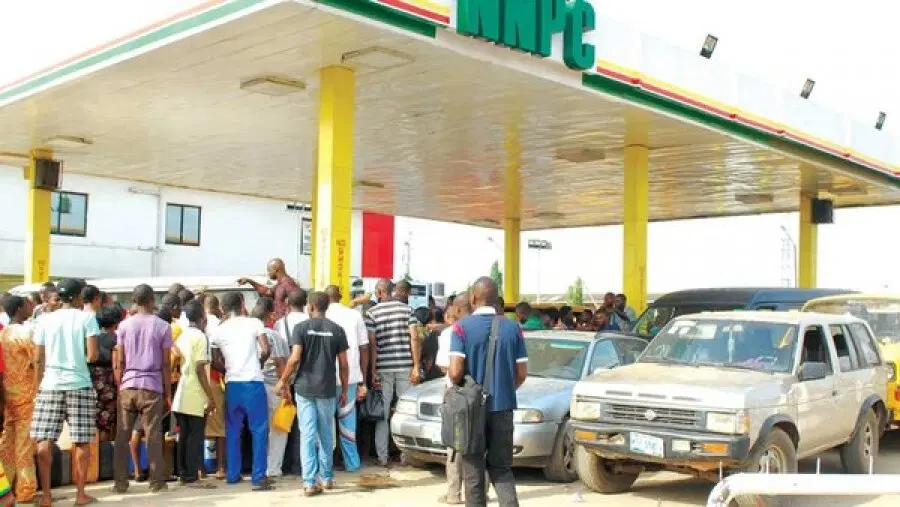
Following the crude oil increase, petrol stations in Abuja, Lagos and other parts of Nigeria raised their pump prices. Local retail prices moved to an average of N850 per litre, up from approximately N750 per litre earlier in the week, reflecting suppliers’ higher input costs.
The Dangote Refinery and other oil marketers attributed the higher petrol costs to the increase in global crude oil prices. They said crude oil remains the primary determinant of petrol pricing in Nigeria’s downstream market.
Industry observers noted that while crude oil prices rose by about 6.2 per cent, retail petrol prices increased by about 14.3 per cent, indicating that local refiners and marketers more than doubled the rate of adjustment relative to crude cost movements.
Chief Chinedu Ukadike, National Public Relations Officer of the Independent Petroleum Marketers Association of Nigeria (IPMAN), said rising crude oil costs have directly influenced petrol prices in the domestic market.
He explained that refiners and marketers must adjust prices to remain viable given the higher cost of crude feedstock.
Mr Henry Adigun, Managing Director of AHA Consultancies, said higher crude oil prices are likely to translate into increased petrol prices at the pump because crude remains the main raw material in fuel production.
Analysts warn that rising petrol costs could lead to wider economic effects. Higher fuel prices often translate to increased transport costs, which can raise the price of goods and services and contribute to inflationary pressure nationwide.
Consumers and businesses may face increased operational expenses if current crude oil price trends persist. These pressures are occurring within a deregulated petrol pricing environment, where global market dynamics heavily influence domestic fuel costs.
Petrol prices in Nigeria are set to rise further following a sustained increase in global crude oil prices.
The upward adjustment reflects the link between international crude benchmarks and domestic fuel pricing, with refiners and marketers already passing higher costs to consumers at the pump.