
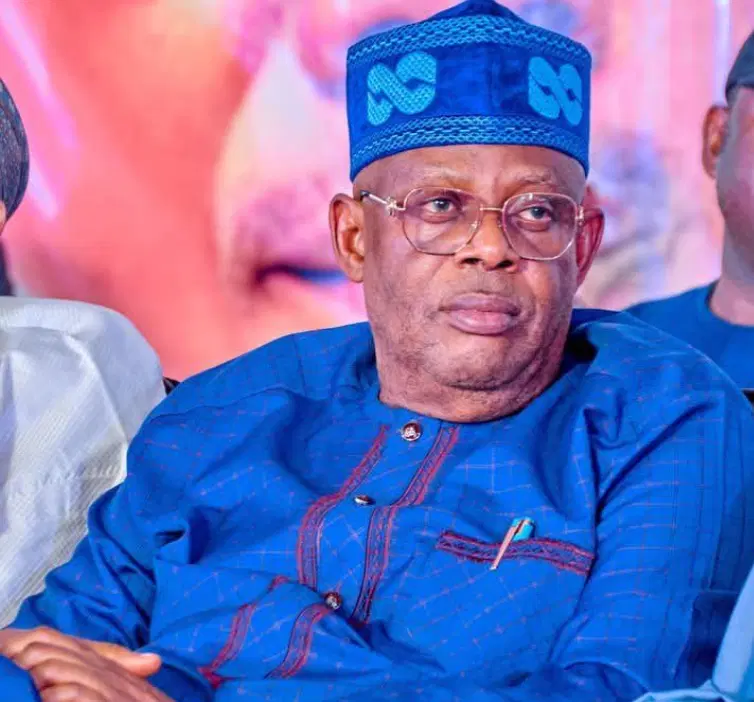
James Abiodun Faleke, a member of the House of Representatives representing Ikeja Federal Constituency, has denied reports that he was involved in a purported one-term governorship agreement in Kogi State. Faleke described the report as false and misleading in a public statement on Wednesday.
Faleke issued the statement on his verified X (formerly Twitter) account following an online report that claimed the Presidency had directed a one-term arrangement for the former Kogi State Governor, Yahaya Bello, and the current governor, Usman Ododo, and that he was linked to the deal.
The report was published by an online platform called TrackNews and generated widespread reactions, prompting calls and messages seeking clarification.
In his statement, Faleke said the allegation was entirely untrue and without any factual basis. He emphasised that he was not consulted, did not take part in, and was not aware of any discussion or arrangement about a one-term governorship deal in Kogi State.
He said the publication was a fabrication and urged the public to disregard it completely. Faleke also cautioned media organisations against spreading unverified political reports that could misinform citizens and cause unnecessary tension.
Allegations of one-term political arrangements have surfaced occasionally in Nigerian politics, especially in states with ongoing debates over political succession and party leadership.
However, such claims often attract responses from public officials when they believe they are misrepresented.
Faleke’s denial comes amid heightened political activity as stakeholders and political actors position themselves ahead of future elections.
The denial highlights concern around dissemination of political news and the impact of misinformation on public perceptions.
False reports have the potential to influence opinion, spark controversy, or distort political discourse if left unchallenged. Faleke’s response underscores the need for media accuracy and verification in political reporting.
Faleke reaffirmed his commitment to transparent communication and responsible leadership. He urged media outlets and online platforms to uphold professional standards in reporting and to verify claims before publication to avoid misleading the public.
The Kogi State political landscape continues to draw attention as various actors prepare for forthcoming electoral cycles and public debates on governance issues.