

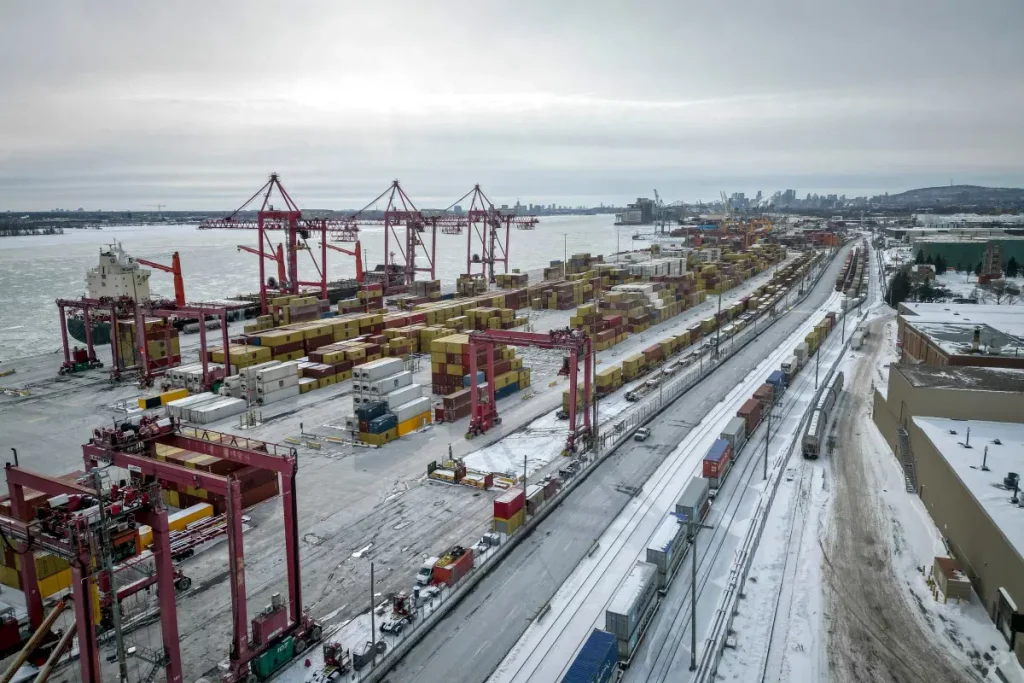
Organised labour has raised fresh concerns over what it describes as an increasing pattern of casual employment within Nigeria’s shipping and maritime sector, warning that the trend threatens job security, workplace safety, and long term workforce stability. The warning was issued by Comrade Adewale Adeyanju, President of the Maritime Workers Union of Nigeria, who addressed the issue during a recent engagement with industry stakeholders.
According to Adeyanju, several shipping companies operating within Nigerian ports have expanded the use of temporary and contract workers in roles that were previously permanent positions. He stated that this shift has reduced access to benefits, weakened collective bargaining protections, and exposed workers to unsafe conditions without adequate institutional safeguards.
The maritime sector remains a major source of employment for young Nigerians, particularly in port operations, logistics, vessel support services, and dock labour. Labour leaders argue that unchecked casualisation disproportionately affects younger workers, who are more likely to accept short term contracts due to limited employment alternatives.
Adeyanju noted that casual workers often lack health insurance, pension contributions, and structured training, despite performing tasks that carry significant physical risk. He emphasized that this practice undermines international labour standards and weakens Nigeria’s commitments under maritime and employment conventions.
Regulatory agencies including the Nigerian Ports Authority and the Nigerian Maritime Administration and Safety Agency have been urged to strengthen oversight of employment practices within port terminals and shipping firms. Labour representatives argue that existing regulations are sufficient but enforcement remains inconsistent.
From an industry perspective, shipping operators have previously cited cost pressures, fluctuating cargo volumes, and operational flexibility as reasons for increased reliance on contract labour. However, labour leaders counter that productivity and safety outcomes suffer when workers lack job security and adequate training.
The issue has gained attention amid broader conversations about youth employment quality in Nigeria. While job creation remains a priority, labour advocates stress that the nature of employment matters as much as the numbers. Insecure work arrangements can limit career progression, reduce income stability, and increase vulnerability to exploitation.
Labour organisations have called on the Federal Ministry of Labour and Employment, led by Minister Simon Lalong, to intervene through dialogue, inspections, and enforcement actions. They argue that protecting maritime workers is essential to sustaining port efficiency and maintaining Nigeria’s competitiveness in regional trade.
Young workers within the sector have echoed these concerns, noting that casual contracts make it difficult to plan financially, access credit, or commit to long term professional development. For many, maritime work serves as a gateway into logistics and global trade careers, making employment conditions critical to future prospects.
Beyond labour rights, safety implications remain central. Industry records show that insufficiently trained or fatigued workers face higher accident risks in port environments. Labour leaders argue that stable employment structures support better safety culture and accountability.
As discussions continue, stakeholders are being encouraged to balance operational efficiency with fair labour practices. Sustainable port operations depend not only on infrastructure investment but also on a skilled, protected, and motivated workforce.
The debate over casualisation in Nigeria’s shipping industry highlights deeper questions about employment standards in fast growing sectors. For young Nigerians seeking stable livelihoods, the outcome of regulatory and institutional responses will shape the future of work within one of the country’s most strategic industries.