

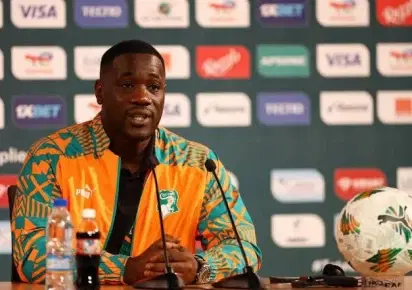
Ivory Coast national team coach Emerse Fae has expressed support for proposals to extend the Africa Cup of Nations tournament cycle from two years to four, arguing that the change would improve player welfare, competition quality, and long term development of African football. His comments come amid renewed debate within continental football circles over scheduling pressures and the sustainability of the current format.
Fae, who led Ivory Coast through recent international competitions, noted that the modern football calendar has become increasingly congested. African players now compete year round across domestic leagues, continental club tournaments, and international fixtures. The current two year AFCON cycle, he said, adds further strain on players who already face demanding schedules in Europe and across Africa.
The discussion around AFCON scheduling has gained momentum as football authorities assess how best to align continental competitions with global calendars. African players form a significant part of top leagues worldwide, and frequent tournament interruptions have often placed them at odds with club commitments. Coaches and player unions have increasingly raised concerns about fatigue, injury risk, and reduced recovery time.
For young Nigerian footballers and fans, the debate carries wider implications. AFCON remains one of the most important platforms for African talent to gain international exposure. However, frequent tournaments can sometimes dilute preparation time, affect squad stability, and reduce the quality of play on display.
Fae argued that a four year cycle would allow national teams more time to build cohesive squads, invest in tactical development, and integrate younger players effectively. Longer preparation windows could also improve coaching standards and encourage deeper talent pipelines across the continent.
From an economic and commercial perspective, sports analysts suggest that fewer but better prepared tournaments could enhance broadcast value, sponsorship interest, and fan engagement. A more spaced out AFCON calendar may help host nations plan infrastructure and logistics more efficiently, reducing financial pressure.
Youth development stakeholders also see potential benefits. Extended cycles could shift focus toward grassroots and academy systems between tournaments, giving young players structured pathways into national teams. This approach aligns with long term football development rather than short term competition readiness.
However, not all stakeholders are aligned. Some football administrators argue that the two year cycle keeps African football visible on the global stage and provides more frequent opportunities for competition and revenue. Smaller football nations also benefit from regular continental exposure, which can accelerate development.
Confederation of African Football officials have acknowledged that consultations are ongoing, involving coaches, players, national associations, and commercial partners. No formal decision has been announced, but discussions are expected to continue as part of broader calendar reforms.
For Nigerian fans and players, the outcome could shape how national team careers are planned. Reduced tournament frequency may mean fewer immediate opportunities but potentially stronger squads and higher quality competition when tournaments do take place.
The debate also intersects with player welfare concerns that resonate strongly among young athletes. Increased awareness of mental health, injury prevention, and career longevity has shifted expectations around how competitions are scheduled and managed.
As African football continues to evolve, decisions on tournament structure will influence not only elite players but also grassroots systems, fan culture, and commercial growth. Fae’s position adds to a growing call for reform that prioritises sustainability alongside visibility.
Whether the AFCON cycle changes or remains the same, the conversation reflects a broader shift toward long term planning in African sports governance. For a new generation of players and supporters, the focus is increasingly on quality, balance, and development rather than frequency alone.