
At least seven people were reported killed during a late night attack on a community in Plateau State on New Year’s Eve, renewing concerns about security challenges in parts of Nigeria’s North Central region. The incident occurred just hours before the start of the new year, disrupting celebrations and heightening fear among residents.
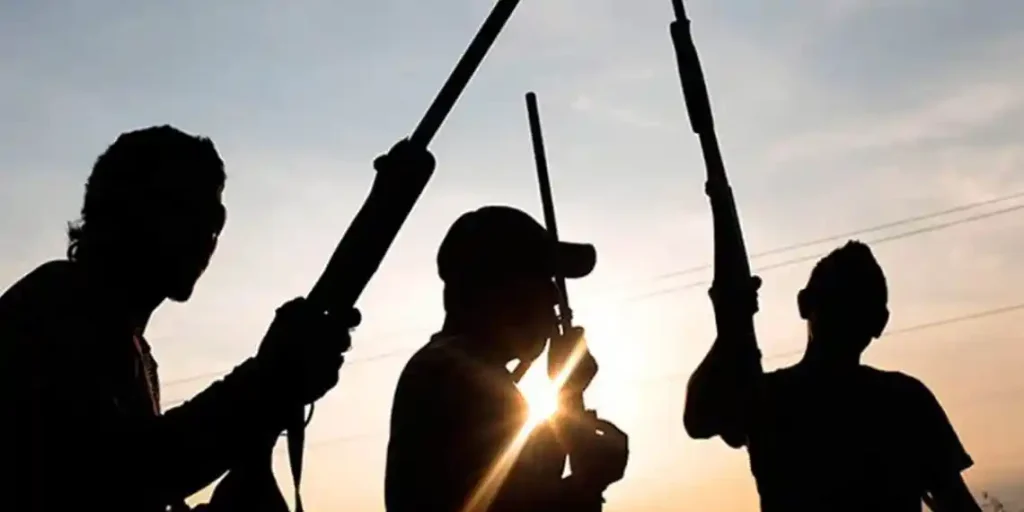
Local accounts and security briefings indicate that armed attackers stormed the community under the cover of darkness, opening fire on residents and setting parts of the area into panic. The victims included adults who were reportedly returning from end of year activities. Several others sustained injuries and were taken to nearby medical facilities for treatment.
Plateau State has experienced recurring episodes of communal violence and armed attacks over the years, often linked to disputes over land use, identity, and criminal activity. Despite ongoing security operations, rural communities remain vulnerable due to difficult terrain, limited surveillance infrastructure, and delayed response times.
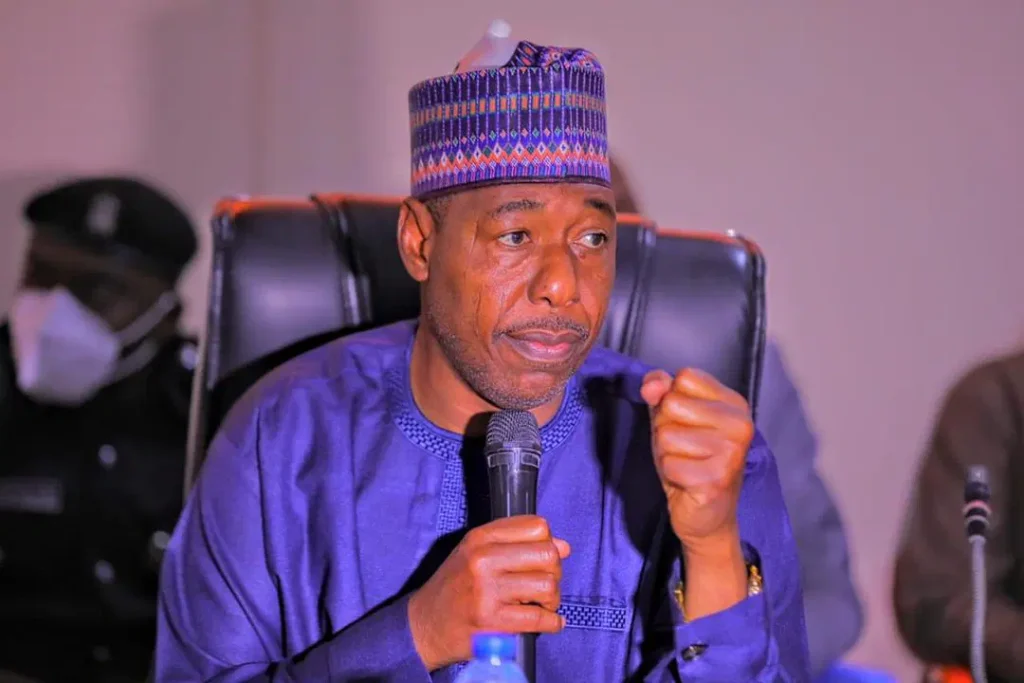
State authorities confirmed the incident and said security agencies were deployed to restore calm and prevent further attacks. Police and military patrols were reinforced in the affected area, while investigations were launched to identify those responsible. Officials stated that efforts were ongoing to track the attackers and secure surrounding communities.
For residents, the timing of the attack added to its emotional and psychological impact. New Year’s Eve is traditionally marked by religious gatherings, family events, and community celebrations. The violence disrupted these activities and deepened anxiety, particularly among young people who make up a large share of the local population.
Youth leaders in Plateau have repeatedly raised concerns about the long term impact of insecurity on education, livelihoods, and social cohesion. Prolonged instability affects school attendance, limits agricultural activity, and discourages small business growth in affected areas. Young entrepreneurs and students are often forced to relocate or suspend plans due to safety risks.
Security analysts note that attacks during festive periods are often intended to exploit reduced vigilance and stretch security resources. They argue that improved intelligence sharing, community based surveillance, and early warning systems are critical to preventing such incidents. Strengthening trust between local communities and security agencies is also seen as essential.
The Plateau State Government has reiterated its commitment to addressing insecurity through collaboration with federal security institutions. Officials highlighted ongoing peacebuilding initiatives, dialogue efforts, and security reforms aimed at reducing violence and protecting civilians.
Civil society groups have called for transparent investigations and justice for victims. They emphasise that accountability is key to restoring public confidence and deterring future attacks. Human rights organisations also urged authorities to provide support for displaced families and ensure access to medical and psychological care.
For young people across Plateau and neighbouring states, the attack underscores the direct link between security and everyday opportunities. Insecurity limits access to education, reduces investment prospects, and affects participation in cultural and economic life. Many youth groups continue to advocate for inclusive security strategies that address both immediate threats and underlying causes.
As investigations continue, residents remain cautious while security presence is maintained in the area. Community leaders have appealed for calm and cooperation with authorities as efforts to stabilise the situation progress.