
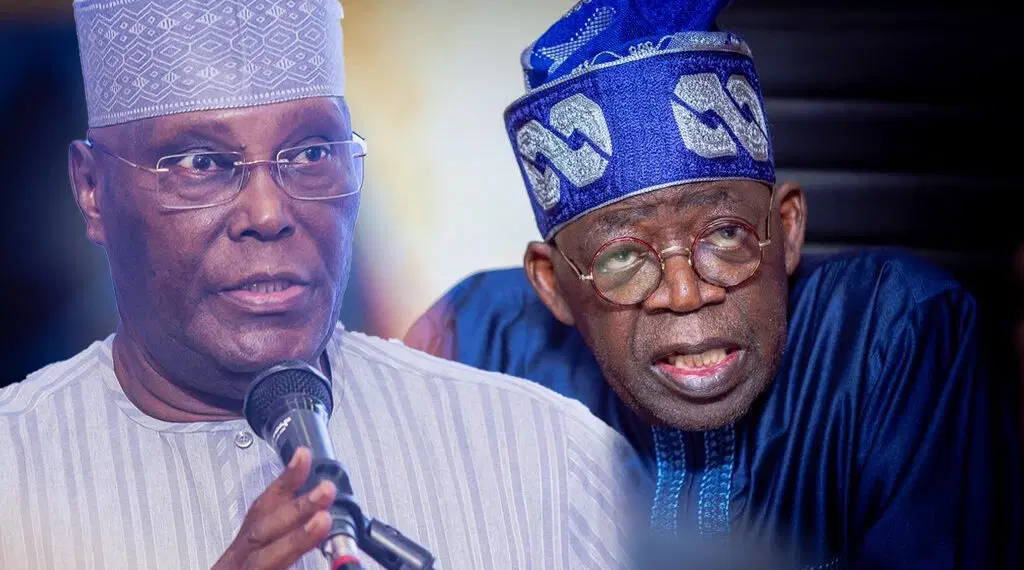
Alhaji Atiku Abubakar, former Vice President of Nigeria and chieftain of the African Democratic Congress (ADC), has said that the low voter turnout recorded in the Federal Capital Territory (FCT) Area Council elections is a sign of challenges facing Nigeria’s democratic process under the current administration.
Atiku spoke in a statement issued by his media office in Abuja on Sunday, February 22, 2026.
Atiku drew attention to figures from the weekend council polls, saying that the overall turnout across the six area councils averaged below 20 per cent, with Abuja Municipal Area Council (AMAC) recording 7.8 per cent participation.
He described the turnout in the nation’s capital as a significant concern for Nigeria’s democratic health.
According to his statement, the low turnout is “not accidental” and reflects the broader political climate. Atiku said that the environment in which the elections were held was marked by what he described as intolerance, intimidation and the systematic weakening of opposition voices.
He said this situation has affected civic engagement and public confidence in the electoral process.
Atiku said his view on the turnout was tied to the broader context of participatory governance. He said that when citizens feel their votes do not matter, it affects the democratic process.
“When citizens lose faith that their votes matter, democracy begins to die,” he said in the statement.
The former vice president said that democratic space includes room for opposition parties and competitive political participation.
He stated that a democracy without vibrant opposition, free political competition and public confidence is “democracy in name only.”
In his statement, Atiku called on opposition parties and democratic actors across Nigeria to “close ranks” and work together in their engagement with the nation’s political process.
He said that cooperation among democratic forces is important to safeguard the system and ensure citizen participation.
Atiku also said that the situation transcends party lines and relates to preserving the Republic’s democratic framework. He said: “This is no longer about party lines; it is about preserving the Republic.”