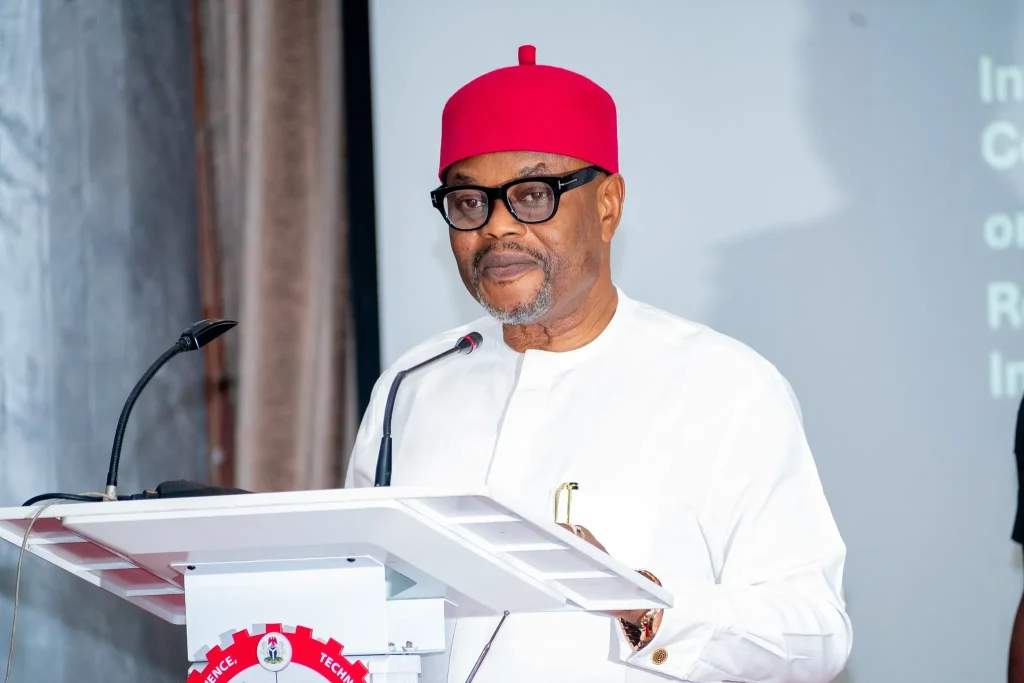


The Central Bank of Nigeria (CBN) has projected a 4.49 percent growth in the nation’s gross domestic product and anticipates external reserves reaching $51 billion in 2026, signaling measured optimism amid ongoing economic adjustments. The projections were shared by CBN Governor Godwin Emefiele, who outlined key assumptions and policy interventions expected to sustain growth and financial stability.
The bank’s forecast reflects a combination of recovering oil revenues, gradual expansion in non-oil sectors, and targeted monetary policies aimed at stabilizing inflation and exchange rates. Analysts note that sustained growth in agriculture, manufacturing, and services will be crucial to achieving the projected outcomes.
External reserves, a key indicator of economic resilience, are expected to benefit from improved foreign inflows, including trade receipts and remittances. CBN officials have highlighted that maintaining reserve adequacy is critical for currency stability, import capacity, and investor confidence.
For young entrepreneurs and small business owners, these projections carry practical significance. Stable growth and accessible reserves can support lending capacity, infrastructure development, and market confidence. Initiatives aimed at financial inclusion and credit expansion are expected to remain central to government and CBN strategies.
Sector analysts have emphasized that while projections are positive, structural challenges such as power reliability, logistics inefficiencies, and regulatory bottlenecks must be addressed to realize these targets. Investment in human capital, digital infrastructure, and institutional efficiency is seen as complementary to monetary measures.
The CBN’s outlook also stresses the importance of prudent fiscal and monetary coordination. Managing inflationary pressures while supporting economic activity remains a delicate balancing act, particularly in light of global uncertainties and commodity price volatility.
For the broader population, projected growth offers hope for job creation, improved access to goods and services, and enhanced social development outcomes. Monitoring the implementation of economic policies and reserve management will be critical to translating projections into tangible benefits.
Governance observers note that credibility and transparency in reporting are essential for public confidence. Regular updates on key macroeconomic indicators, combined with clear communication of policy actions, help institutions maintain accountability and guide market expectations.
As Nigeria approaches 2026, the focus will be on ensuring that projected growth and reserves translate into real improvements in living standards, business opportunities, and economic resilience. The CBN’s report underscores the interconnectedness of financial stability, policy implementation, and sustainable development, highlighting the need for coordinated institutional action across sectors.