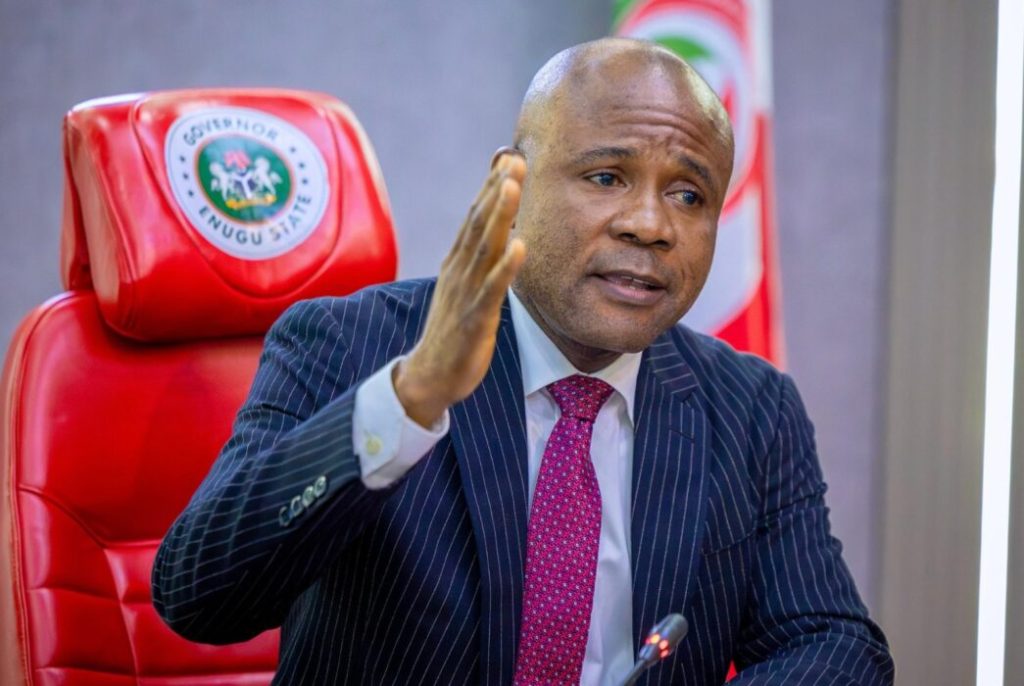

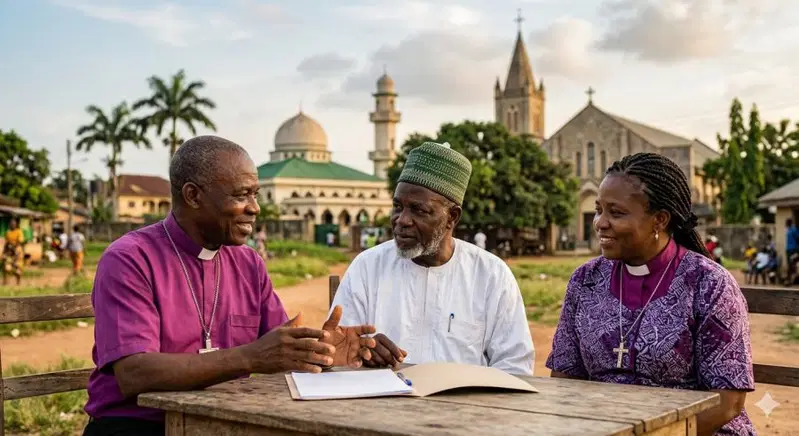
The Chairman of the Economic and Financial Crimes Commission, EFCC, Ola Olukoyede, has raised concerns over the involvement of some religious figures in financial crimes, saying religious titles should not place anyone beyond accountability.
Olukoyede spoke on Wednesday at the 2026 Second Council Meeting of the Nigeria Inter-Religious Council, NIREC, in Abuja. The meeting was held under the theme, “Shared Sacred Flourishing in Nigeria.”
The EFCC chairman said the commission had investigated and prosecuted individuals who held religious titles, including pastors, imams, bishops and sheikhs, with some subsequently convicted and serving prison sentences.
He said the commission’s case files contained numerous suspects identified by religious titles, stressing that their religious positions did not prevent them from facing the legal consequences of alleged financial crimes.
Olukoyede also questioned the continued use of religious titles for individuals after conviction, saying some people continued to be addressed as pastors or imams even while serving prison sentences.
Against this backdrop, he called for a broader discussion on how religious titles are conferred and whether such titles should continue to be attached to individuals who engage in criminal conduct.
The EFCC chairman said genuine religious leadership should be assessed by conduct and integrity rather than appearance, titles or self-identification.
He cited an encounter with a suspect brought to the EFCC for investigation who introduced himself using several religious and professional titles, including reverend, doctor and bishop.
Olukoyede said he chose to focus on the allegations being investigated rather than the titles claimed by the individual, stressing that religious identity could not override the law.
He warned that the EFCC would prosecute financial crimes regardless of the religious status of those involved.
Olukoyede said the issue required deeper reflection because Nigeria remains a deeply religious society, with large numbers of citizens attending churches and mosques. He questioned whether the country’s strong religious identity was being adequately reflected in the integrity of public and economic life.
According to him, financial crime does not discriminate along religious or ethnic lines, as Christians and Muslims are affected whenever public resources are stolen or misappropriated.
He therefore urged religious leaders to use their influence to promote integrity and discourage corruption within their communities.
Olukoyede recalled what he described as disturbing findings from investigations involving a pilgrimage board during his time as Chief of Staff and Secretary. He alleged that almost 75 per cent of funds intended for pilgrims had been stolen.
The EFCC chairman said religious institutions had an important role beyond worship, particularly in shaping values and discouraging conduct that could lead to financial crimes.
“While EFCC can investigate conduct and prosecute fraud, faith communities can influence character and cultivate honesty to prevent crime,” he said.
He also criticised the practice of religious institutions celebrating individuals whose sources of wealth may be unclear, arguing that honouring unexplained wealth could create a form of social or moral acceptance for potentially illicit proceeds.
Olukoyede urged religious communities to avoid providing what he described as moral shelter for corruption. He maintained that religious, ethnic or charitable considerations should not be used to legitimise or cleanse proceeds allegedly acquired through the exploitation or suffering of others.
He said the responsibility for fighting corruption should extend beyond law enforcement agencies, with religious institutions, community leaders and citizens all having roles in promoting accountability and integrity.