

A former Director-General of the Bayelsa State Tourism Board, Hon. Macaulay Jokori, has said infrastructure projects being implemented by the Niger Delta Development Commission, NDDC, could help create the conditions needed to expand tourism and the creative economy across the region.
Jokori, a businessman, hospitality entrepreneur, farmer and tourism practitioner, said the development of tourism destinations could not be separated from infrastructure such as roads, bridges, electricity, security and healthcare.
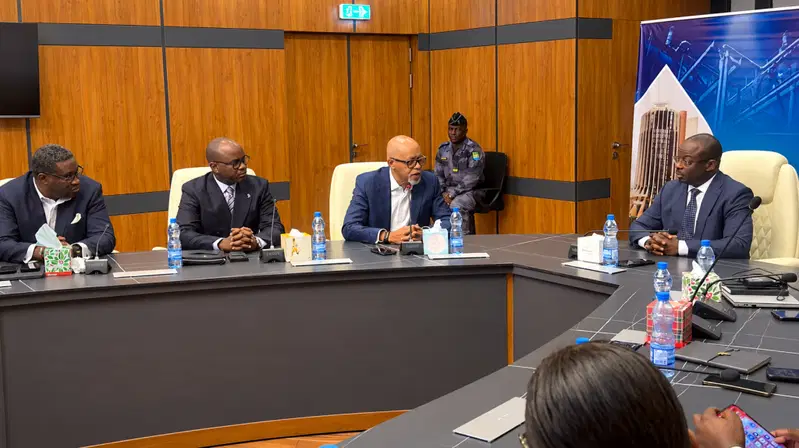
He made the remarks during an interaction with the Ogbuku Impact Series team, led by its Lead Convener, Okaniba Damson.
According to him, attractions would remain difficult to commercialise if visitors could not access them easily or if tourism businesses lacked the supporting services required to operate effectively.
Jokori cited the 25.7-kilometre Ogbia-Nembe Road in Bayelsa State as an example of infrastructure that could have implications beyond transportation.
The NDDC says the project, executed in partnership with Shell Petroleum Development Company, includes seven bridges and has reduced travel time between Yenagoa and Nembe.
Jokori said improved access could make Nembe’s history, traditional institutions, festivals, cuisine and cultural heritage more accessible to visitors and potential investors.
He also pointed to bridge projects in other parts of the Niger Delta. In Akwa Ibom State, the NDDC commissioned the 600-metre Ibeno Bridge and a 6.87-kilometre connecting road, which the commission says links 20 communities previously separated by the Qua Iboe River.
In Rivers State, the 1.2-kilometre Kaa-Ataba Bridge is being constructed to connect Khana and Andoni local government areas.
Jokori said projects of this nature could provide the physical connections required to develop tourism corridors instead of leaving individual attractions isolated.
The former tourism board director also identified cultural festivals as potential drivers of tourism when supported by appropriate infrastructure and visitor services.
He cited the 2024 Eyal Obeyin Festival in Ayakoro, Bayelsa State, where NDDC Managing Director Dr Samuel Ogbuku pledged support for the annual event as part of efforts to promote tourism.
The festival commemorates the relocation of Ayakoro from its erosion-threatened former settlement to its present location in 1958.
Jokori said festivals could give visitors opportunities to experience local history, food, music, crafts and traditions, provided destinations also have adequate roads, accommodation, security and promotion.
He noted that the cultural diversity of the Niger Delta, including Ijaw, Kalabari, Itsekiri, Urhobo, Isoko, Nembe, Ogoni, Ibibio, Efik and Oron traditions, offered opportunities for cultural and heritage tourism.
Historical sites associated with indigenous commerce, the transatlantic slave trade, missionary activities and colonial administration could also become heritage attractions, he said, provided they were preserved, documented and responsibly interpreted.
Jokori further linked the NDDC’s “Light Up the Niger Delta” programme to tourism and the region’s night-time economy.
He said improved lighting could support hotels, restaurants, festivals, entertainment venues and other businesses operating after dark.
Security, he added, remained an essential part of the tourism value chain because visitors, investors and event organisers needed confidence in their safety.
Jokori therefore regarded the NDDC’s engagement with security agencies and community-level interventions as part of the broader conditions required for tourism investment.
He also identified healthcare as another consideration in developing tourism destinations, noting that medical facilities serve residents as well as visitors, workers and businesses operating around hotels, recreational centres and festivals.
The NDDC has said it continues to invest in medical facilities and free medical interventions across the region.
Jokori said the growing focus on the Orange Economy could provide another avenue for connecting tourism with music, film, fashion, food, crafts, photography, entertainment, cultural festivals and digital content.
He referenced the NDDC’s support for the three-year Discover Bonny and Orange Economy programme in August 2026, which linked tourism with enterprise development, investment promotion, security, communications, education and healthcare.
According to Jokori, opportunities could extend beyond conventional hospitality businesses to tour guides, photographers, caterers, transport operators, farmers, designers, musicians, artisans, event managers and digital content creators.
He suggested that destinations such as Nembe, Ayakoro, Akassa, Brass, Oloibiri and Bonny could potentially form interconnected tourism experiences combining heritage, waterways, festivals, cuisine, music and traditional arts.
However, he noted that developing such a network would require sustained investment in access, security, hospitality, promotion and destination management.
Jokori commended the Ogbuku-led NDDC for its infrastructure investments and said they could contribute to creating the conditions for a broader tourism economy.
He stressed, however, that infrastructure alone would not make the Niger Delta a global tourism destination, but could provide part of the foundation required for tourism businesses and cultural initiatives to grow.