
PFIPC investigation calls have intensified as civil society organisations and legal practitioners challenged President Bola Tinubu’s directive assigning the Independent Corrupt Practices and Other Related Offences Commission (ICPC) to investigate the alleged Presidential Foreign Intervention Promotion Council (PFIPC) controversy. Several stakeholders argued that an independent inquiry would inspire greater public confidence, while some also called for the temporary suspension of the President’s Chief of Staff, Femi Gbajabiamila, to ensure an impartial investigation.
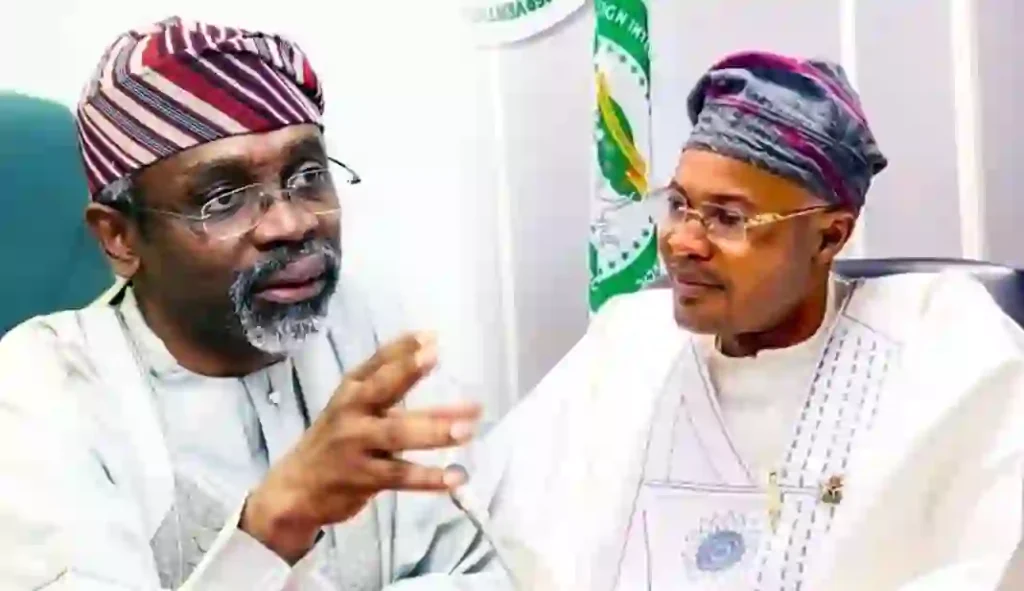
The controversy centres on allegations involving Matthew Adeniyi Adeyemi, who claimed to have operated the Presidential Foreign Intervention Promotion Council (PFIPC) and alleged that he received support from the Chief of Staff to the President. Adeyemi reportedly claimed his appointment letter came through Gbajabiamila, while the council was allegedly allocated about ₦1.3 billion in the 2026 Appropriation Bill despite government insistence that the agency never officially existed.
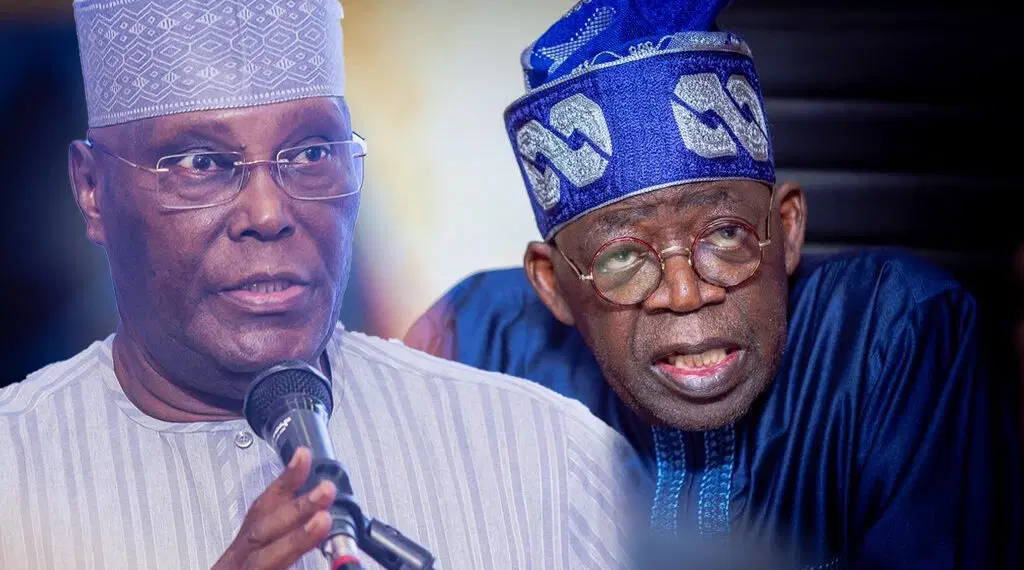
Although Gbajabiamila has denied any connection to the council and threatened a ₦10 billion defamation suit against Adeyemi, critics insist the matter requires an investigation free from political influence. Former Vice President Atiku Abubakar also joined calls for an independent probe, arguing that Nigerians deserve a transparent investigation that follows evidence without political interference.
The Executive Director of the Africa Network for Environment and Economic Justice (ANEEJ), Rev. David Ugolor, urged the Federal Government to allow public officials connected to the allegations to temporarily step aside while investigations continue. According to him, such a move would strengthen public confidence in the process and eliminate concerns about possible interference.
Ugolor maintained that the credibility of any investigation would depend on its transparency, fairness and willingness to hold every individual accountable regardless of status. He also advised that the investigation’s terms of reference and findings should be made public to reinforce confidence in Nigeria’s anti-corruption institutions.
The Executive Director of the International Press Centre (IPC), Lanre Arogundade, acknowledged that the ICPC has legal authority to investigate corruption-related matters.
However, he argued that considering the high level of public interest, an independent inquiry would have provided stronger credibility. He also noted that because Adeyemi is already facing criminal charges, the courts remain another avenue through which facts surrounding the matter could emerge.
For ActionAid Nigeria, the major issue is not necessarily which institution conducts the investigation but whether the process remains credible, transparent and independent. Country Director Dr. Andrew Mamedu described the President’s directive to the ICPC as legitimate but stressed that the anti-corruption agency must be allowed to operate without interference.
According to him, Nigerians will judge the investigation by both its fairness and its outcome. He further urged investigators to publish their findings and ensure accountability wherever evidence establishes wrongdoing.
Human rights lawyer Idris Faro supported the President’s decision to involve the ICPC, describing the commission as the appropriate statutory agency for investigating corruption allegations. He, however, insisted that anyone found culpable should face prosecution and that the investigation should not end without accountability.
Another human rights lawyer, Deji Adeyanju, disagreed, arguing that the Presidency had already appeared to exonerate Gbajabiamila publicly, making it difficult for the investigation to be perceived as independent. Adeyanju called for the Chief of Staff to step aside during the investigation and urged Nigerians to continue demanding accountability.
Managing Partner of Cornerstone Advocates, Toluwa Odekhe, acknowledged that President Tinubu acted within his constitutional powers by directing the ICPC to investigate the allegations. However, he warned that politics must not overshadow the commission’s work.
According to Odekhe, the ICPC should ensure transparency by clearly outlining the scope of its investigation, protecting whistleblowers, examining all relevant documents—including records linked to the 2026 budget—and publishing its findings. He also encouraged the National Assembly to perform its oversight responsibilities throughout the process.
Despite differing opinions on the appropriate investigative mechanism, the organisations and legal practitioners agreed on one central issue: the investigation must be impartial, evidence-driven and transparent. They argued that beyond determining individual responsibility, the outcome should help strengthen Nigeria’s governance institutions, restore public trust and close any institutional gaps that may have allowed the PFIPC controversy to emerge.