
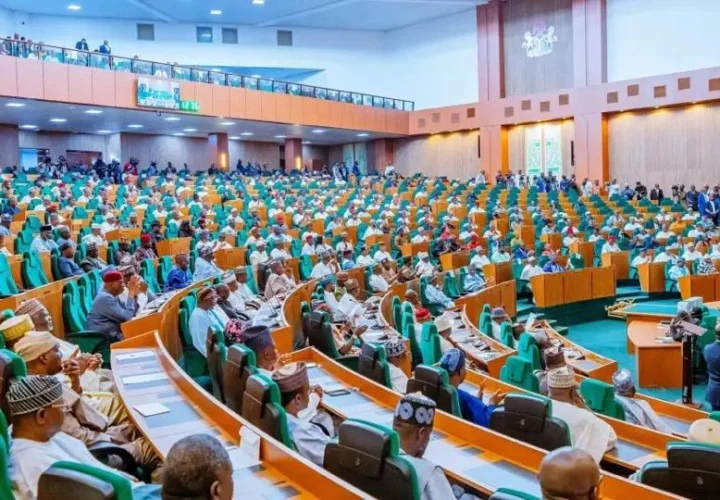
Fresh APC defections have been recorded in the House of Representatives after three members formally resigned from the ruling All Progressives Congress (APC) and joined the Peoples Redemption Party (PRP) and the African Democratic Congress (ADC). The lawmakers announced their decisions during Wednesday’s plenary session, with their resignation letters read by Speaker of the House, Tajudeen Abbas. The latest APC defections add to a growing trend of political realignments within the National Assembly ahead of the 2027 general elections.
Political movements among elected officials have become increasingly common as parties begin preparations for future electoral contests. Across the country, lawmakers and political stakeholders are reassessing their affiliations amid evolving political dynamics at both state and national levels.
The House of Representatives has witnessed several defections in recent months, reflecting broader efforts by politicians to reposition themselves within Nigeria’s changing political environment. Such movements often attract attention because of their implications for party strength and legislative influence. The latest APC defections come at a time when political parties are intensifying consultations and internal restructuring efforts ahead of the next election cycle.
One of the lawmakers involved in the latest defections is Rabilu Bala, who represents Jama’are/Itas-Gadau Federal Constituency of Bauchi State. According to the letter read by Speaker Abbas, Bala informed the House of his decision to resign from the APC and join the Peoples Redemption Party. The lawmaker attributed his departure to persistent internal disagreements within the ruling party and stated that his move was motivated by a desire to serve his constituents more effectively on what he described as a more suitable political platform.
Bala further explained that his decision followed extensive consultations with political stakeholders in his constituency. He said developments within the APC at both the state and national levels contributed to his decision to leave the party.
In a separate development, Abubakar Zango, who represents Yola North/Yola South/Girei Federal Constituency of Adamawa State, also formally resigned from the APC and joined the African Democratic Congress. According to his letter, Zango said his decision was guided by conscience and national interest. He assured constituents that his commitment to effective representation would remain unchanged despite his new political affiliation.
Another member, Abdullahi, representing Dukku/Nafada Federal Constituency of Gombe State, also left the APC for the ADC. The latest APC defections reduce the ruling party’s numerical strength in the House while increasing the representation of opposition parties within the chamber. The announcements were formally recorded as part of the House proceedings.
Political observers note that defections often become more frequent as election periods approach, particularly when politicians seek alternative platforms that align with their political ambitions and constituency interests. The current APC defections also reflect the broader competition among parties seeking to strengthen their positions before the 2027 elections.
The defections may have implications for party influence and legislative dynamics within the House of Representatives. While the APC remains the majority party, continued movement of lawmakers could affect future political calculations and coalition-building efforts. Analysts also note that such developments may encourage further discussions among political actors considering similar moves ahead of upcoming elections.