
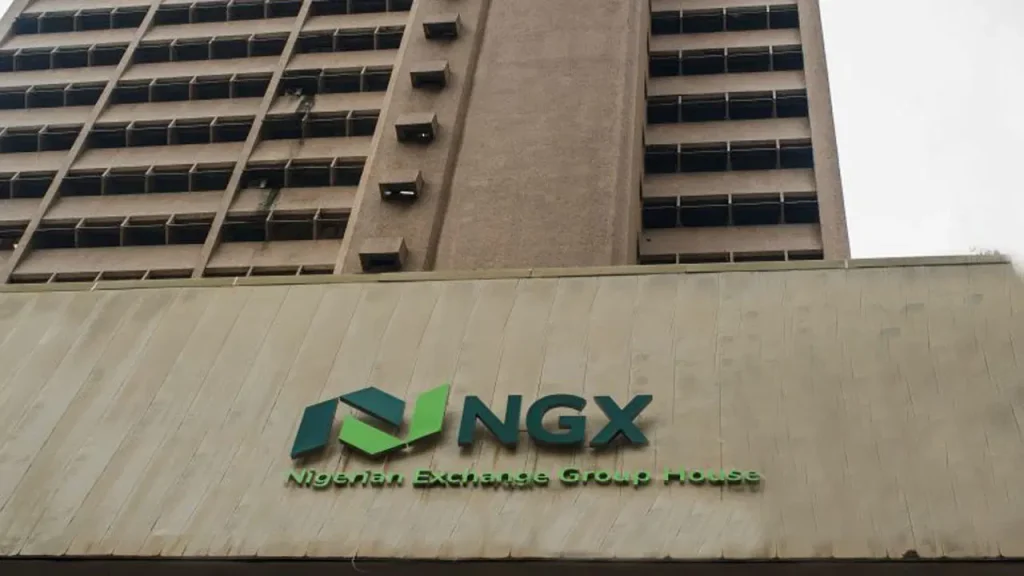
The Nigerian Exchange Group has called for deeper capital market integration within Nigeria’s monetary policy framework, arguing that stronger coordination between financial markets and policy authorities is necessary to support economic growth and investment stability. The Group stated that the capital market should play a more central role in shaping monetary decisions and long-term economic planning. The renewed discussion around capital market integration comes amid broader efforts to strengthen financial market efficiency and improve investor confidence in Nigeria’s economy.
Nigeria’s financial system consists of multiple segments including the banking sector, capital market, insurance industry, and pension sector. Monetary policy decisions by the Central Bank of Nigeria significantly influence liquidity conditions, inflation management, exchange rates, and investment flows within the economy.
The Nigerian Exchange Group has repeatedly advocated stronger collaboration between policymakers and capital market stakeholders to support sustainable economic development and improve long-term financing opportunities for businesses and infrastructure projects.
The debate surrounding capital market integration has gained importance as Nigeria seeks to attract investment, deepen domestic financial markets, and strengthen economic resilience amid inflationary and exchange rate pressures. Analysts say effective coordination between monetary authorities and capital market institutions may improve market stability and encourage broader participation in long-term investment activities.
Speaking during discussions on financial market development, NGX Group emphasised the importance of integrating capital market considerations into monetary policy formulation and implementation. The organisation noted that stronger collaboration between regulators and market institutions could support economic expansion and financial inclusion.
According to the NGX Group, deeper capital market integration would enhance the efficiency of financial intermediation and improve the ability of businesses and governments to raise long-term capital for development projects. The Group also stated that capital markets play a critical role in mobilising savings, allocating resources, and supporting investment activities across major sectors of the economy. Officials argued that monetary policy frameworks should increasingly recognise the role of equity and debt markets in sustaining economic growth.
The discussion further highlighted the importance of stable macroeconomic policies, regulatory coordination, and investor confidence in strengthening financial market performance. Stakeholders noted that stronger alignment between monetary policy objectives and capital market development strategies may improve economic stability. NGX representatives explained that capital market integration could also encourage broader participation from institutional and retail investors while supporting market liquidity and innovation within Nigeria’s financial ecosystem.
The Group additionally stressed the need for policies capable of attracting domestic and foreign investment into Nigeria’s capital market. According to stakeholders, improving transparency, regulatory consistency, and market infrastructure remains essential to sustaining investor confidence. The issue of capital market integration has become increasingly relevant as policymakers seek alternative financing channels for infrastructure, industrial development, and economic diversification beyond traditional banking structures.
Financial analysts say stronger capital market integration within monetary policy could improve long-term financing opportunities and strengthen Nigeria’s broader investment environment.
The approach may also support efforts to diversify sources of economic financing while reducing overreliance on short-term banking credit structures. Experts further note that deeper collaboration between monetary authorities and capital market institutions may improve policy transmission, financial stability, and investor confidence within the Nigerian economy.