
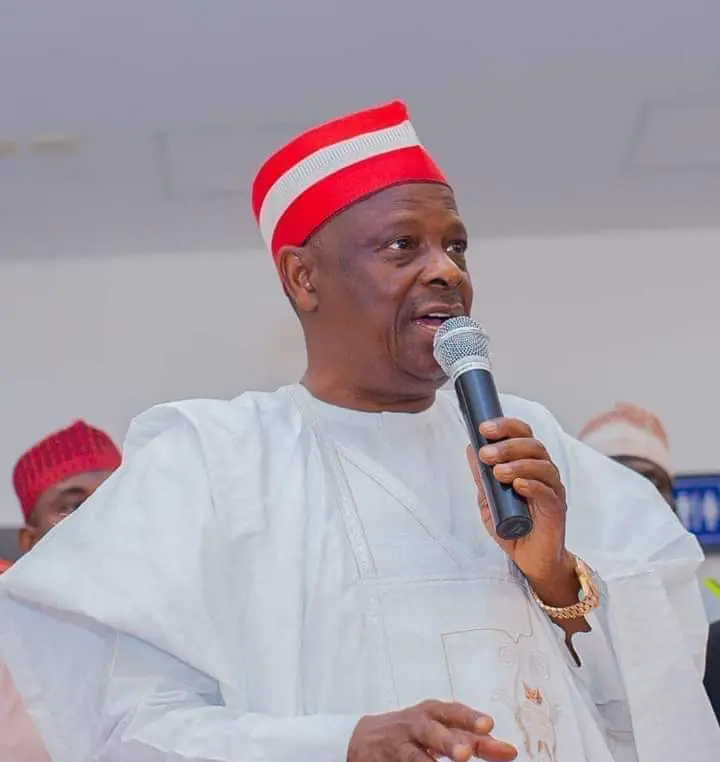
The camp of Rabiu Musa Kwankwaso has rejected allegations surrounding alleged Tinubu link claims raised during a political dispute involving the Kano State Government. The response followed accusations suggesting political alignment between the former Kano governor and President Bola Tinubu, claims which Kwankwaso’s associates dismissed. The disagreement over the Tinubu link claims has added to ongoing political tensions within Kano’s leadership landscape ahead of future political realignments.
Rabiu Musa Kwankwaso remains a major political figure in Kano State and a leading voice within the New Nigeria Peoples Party (NNPP). His political structure, popularly associated with the Kwankwasiyya movement, has maintained significant influence in Kano politics over the years.
Recent political developments in Kano have exposed divisions between different factions and stakeholders within the state’s political environment. The controversy surrounding the Tinubu link claims emerged amid broader discussions over alliances, party positioning, and relationships between opposition figures and the ruling All Progressives Congress (APC).
Political analysts have noted that Kano remains one of Nigeria’s most politically strategic states because of its large voting population and influence in northern politics. As a result, public statements involving key political actors often attract national attention.
According to reports, members of Kwankwaso’s camp dismissed suggestions that the former governor was secretly aligning with President Bola Tinubu or the APC. The reaction came after comments linked to the Kano State Government raised questions about alleged political cooperation. The Tinubu link claims were reportedly rejected by Kwankwaso’s associates, who insisted that the allegations were inaccurate and politically motivated. They maintained that the former presidential candidate remained committed to his political platform and movement.
Political observers say the dispute reflects continuing rivalry within Kano politics, where competing camps have exchanged accusations over influence and political direction in the state. The controversy surrounding the claims has also triggered wider debate among supporters and stakeholders across party lines. The exchanges between both sides have continued to generate reactions within Kano’s political environment, particularly as parties begin positioning ahead of future electoral activities.
The disagreement may further deepen political divisions within Kano State and affect relationships among influential political blocs. Analysts note that Kano’s political structure often shapes broader northern political dynamics because of the state’s electoral significance.
The controversy from Tinubu link claims may also influence public perception regarding alliances and loyalty among opposition leaders. Political developments in Kano are expected to remain closely monitored as parties continue consultations and internal repositioning. Observers believe the dispute highlights the growing intensity of political competition ahead of future electoral cycles and coalition discussions.