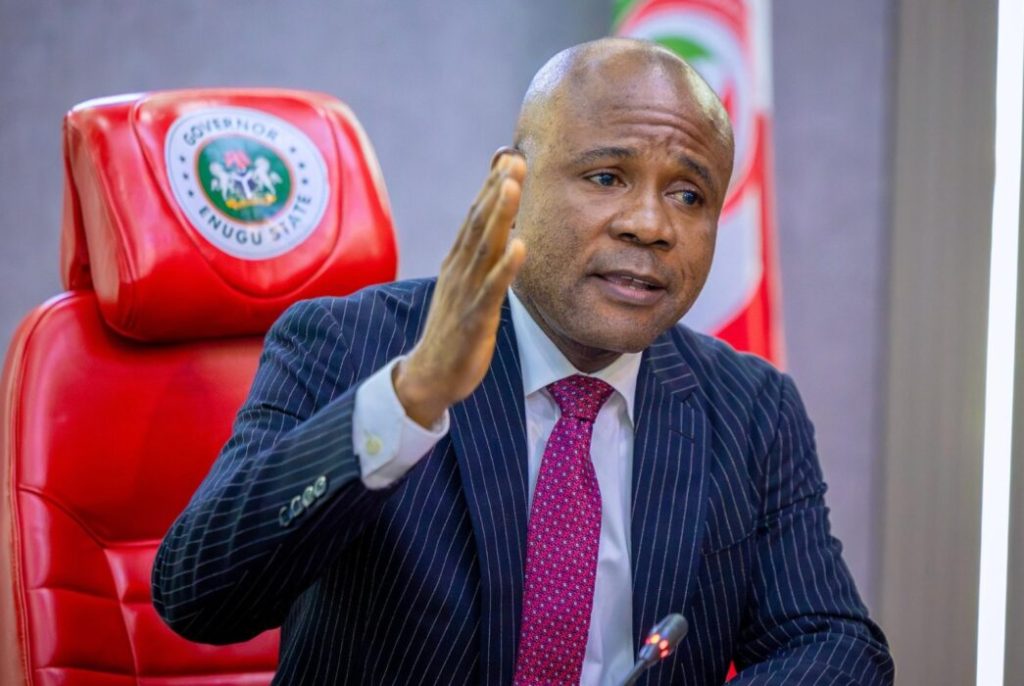


The contractors debt settlement process has been initiated by the Federal Government, with assurances that all verified obligations owed to local contractors will be cleared through a transparent and structured framework. The move, announced during a high-level engagement in Abuja, is aimed at restoring confidence in public finance management and supporting ongoing economic reforms.
Outstanding payments to contractors have remained a recurring issue in Nigeria’s fiscal management, particularly in relation to capital projects executed under previous budgets. Delays in settling these obligations have affected infrastructure delivery, business operations, and the financial stability of indigenous firms.
The current contractors debt settlement effort follows sustained pressure from contractors and industry groups who have raised concerns over prolonged payment delays and their impact on project execution. The Federal Government has also made provisions in recent budgets to address these liabilities, reflecting the scale of the backlog.
Minister of Finance and Coordinating Minister of the Economy, Taiwo Oyedele, gave the assurance during a meeting with representatives of the All-Indigenous Contractors Association of Nigeria. He emphasised that the contractors debt settlement would be handled with fairness, accountability, and consideration of the country’s fiscal realities.
“Resolving these obligations is important not just for contractors, but for confidence in government, job creation, business continuity, and overall economic stability,” Oyedele said.
The meeting focused on unresolved payments tied to capital expenditure, with discussions centred on establishing a credible framework for verifying claims and ensuring timely disbursement.
Oyedele acknowledged the concerns of contractors regarding delayed payments, contract variations, and the effects of ongoing economic reforms on project delivery. He stated that the government is working with relevant institutions to reconcile outstanding claims and design a sustainable payment structure.
“The government recognizes the critical role local contractors play in infrastructure development and economic growth. We are determined to resolve all outstanding issues through structured engagement within the framework of fiscal responsibility,” he added.
Representatives of the contractors welcomed the renewed engagement and expressed optimism that the contractors debt settlement process would lead to practical and lasting solutions.
The contractors debt settlement initiative is expected to ease financial pressure on indigenous firms, many of which rely on government payments to sustain operations and service loans.
Improved payment processes could also strengthen investor confidence and enhance the credibility of public financial management systems. For the broader economy, timely settlement of obligations may support job retention and accelerate stalled infrastructure projects.
The emphasis on transparency and verification also signals an effort to align fiscal responsibility with stakeholder expectations in the execution of government contracts.