
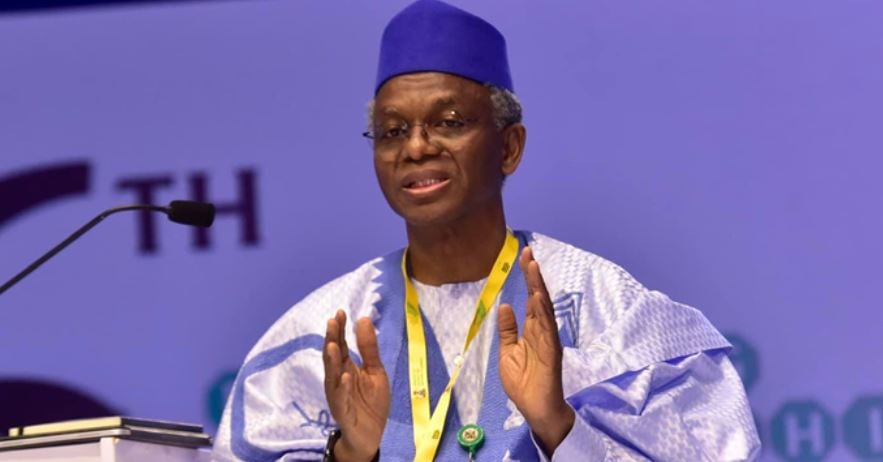
The phone tapping charge against former Kaduna State Governor Nasir El-Rufai has entered a new phase as he was arraigned before the Federal High Court in Abuja on a five-count charge. The phone tapping charge relates to allegations of unlawful interception of communications involving National Security Adviser Nuhu Ribadu, with the defendant pleading not guilty and applying for bail.
The case stems from investigations initiated by the Department of State Services (DSS) following statements attributed to El-Rufai during a television interview in February 2026. During the interview, he reportedly referenced access to intercepted communications involving the National Security Adviser.
Based on this development, authorities filed charges under Nigeria’s cybercrime and telecommunications laws, which prohibit unlawful interception of private communications and actions that could compromise national security. Earlier legal proceedings showed that the initial charges were amended, increasing the counts against the former governor from three to five before his formal arraignment in court.
At the Federal High Court in Abuja, the DSS formally arraigned El-Rufai on five amended counts bordering on alleged breach of national security and unlawful interception of communication. According to the charges, the prosecution alleged that on February 13, 2026, during a television appearance, the defendant admitted that he and others unlawfully intercepted the phone communications of the National Security Adviser.
The phone tapping charge also includes allegations that he had knowledge of individuals involved in the interception but failed to report them to security agencies, an offence under relevant provisions of the Cybercrimes (Prohibition, Prevention, etc.) Amendment Act, 2024.
Another count alleges that he and others at large used technical systems in a manner that compromised public safety and national security, contrary to the Nigerian Communications Act, 2003. During the court session presided over by Justice Joyce Abdulmalik, the defendant pleaded not guilty to all five counts. His legal counsel, led by Oluwole Iyamu (SAN), informed the court of a pending bail application filed earlier and sought his release pending trial.
The prosecution requested trial dates, while the defence raised concerns about scheduling and access to the defendant, who is currently in custody of the Independent Corrupt Practices and Other Related Offences Commission (ICPC).
The phone tapping charge places the case within Nigeria’s formal judicial process, shifting it from investigation to prosecution. The case is expected to test the enforcement of cybercrime and communications laws, particularly in matters involving alleged breaches of national security.
Legal observers note that proceedings of this nature often attract public attention due to their implications for privacy rights, national security frameworks, and accountability of public officials. The involvement of a former state governor also underscores the significance of the case within Nigeria’s political and legal landscape.