
By Chukwudi Louis Ani, Political Economist
The recent decision by the Enugu State Government to impose a ₦150,000,000 levy on political billboards raises serious questions about fairness, democratic access, and equal political participation.
At a time when citizens are already facing economic challenges, introducing such a high fee for political advertising sends a concerning message. Elections are intended to be contests of ideas, competence, and vision, not contests of financial strength.
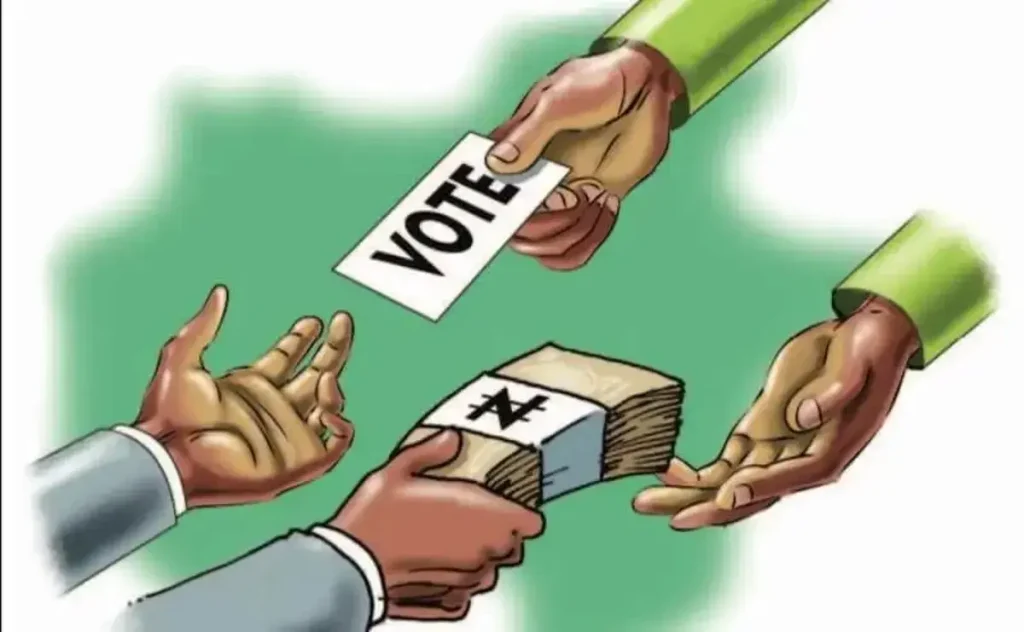
By placing political billboards behind a ₦150 million paywall, the policy effectively excludes young aspirants, independent candidates, and smaller political parties without access to vast financial resources.
This approach creates what can be described as a “game of exclusivity.” It benefits entrenched political elites while limiting grassroots participation.
Democracy thrives when political spaces are open and competitive. When financial barriers reach such extremes, the playing field tilts heavily toward those already in power.
Additionally, the levy risks being seen as a tool for political control rather than public regulation. While governments have the authority to regulate public advertising for safety and urban planning, the cost must be reasonable and justifiable.
A fee of this magnitude raises a key question: Is the government concerned about opposition voices, competitive campaigns, or the possibility of a level playing field?
Policies that restrict political expression undermine public trust and can fuel suspicion. Rather than imposing steep financial barriers, the state government should focus on ensuring transparent, fair, and inclusive electoral processes.
Democracy should never be priced beyond the reach of the people. We are equal to the task.