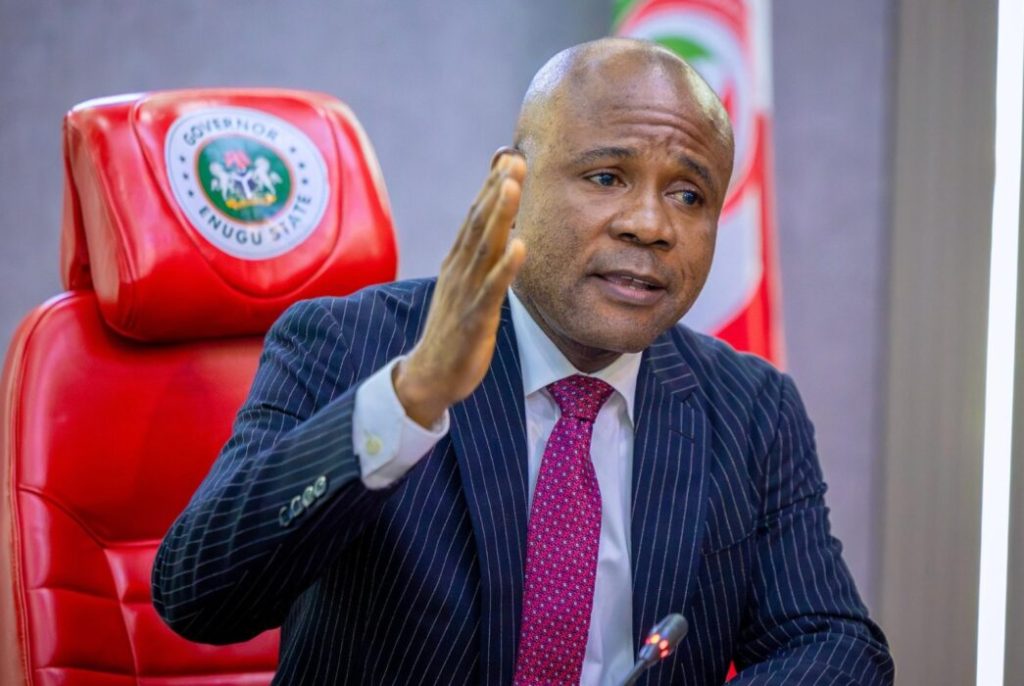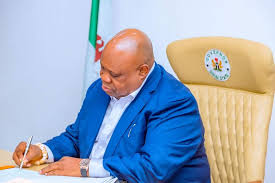

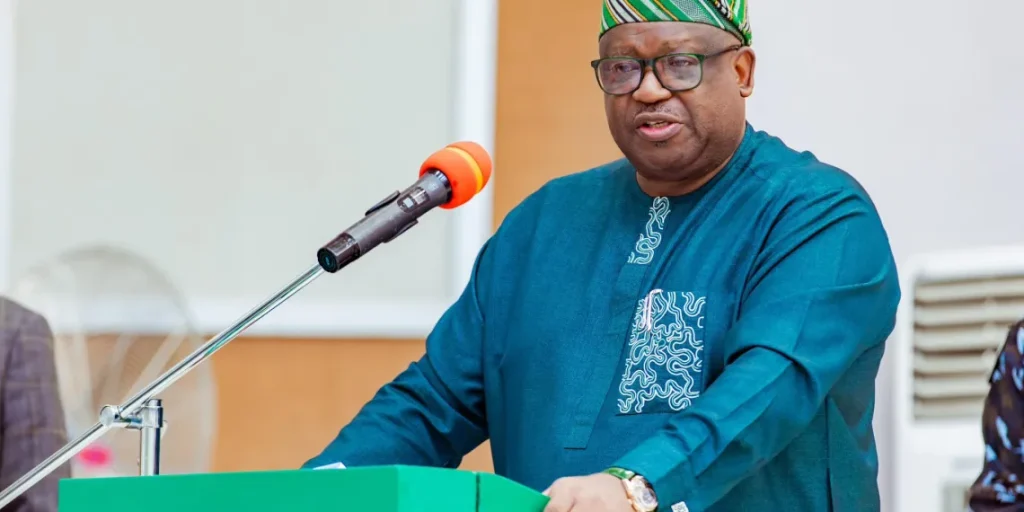
Plateau State Governor Caleb Mutfwang has formally resigned from the Peoples Democratic Party (PDP), two weeks after announcing his decision to align with the All Progressives Congress (APC). The move, confirmed through official party records and state government channels, marks a significant political shift with implications that extend beyond Plateau State.
The resignation letter, addressed to PDP ward officials in Plateau, confirmed Mutfwang’s exit from the party that brought him to power. His defection had earlier been made public at a high-level APC gathering, but the formal withdrawal now completes the process and clears the way for his full political integration into the ruling party.
Mutfwang’s decision comes at a time of intense political realignment across Nigeria, particularly as parties position themselves ahead of the 2027 general elections. In Plateau, a state with a history of competitive politics and strong youth participation, the move has sparked widespread discussion across campuses, professional networks, and online political spaces.
Supporters of the governor within the APC have described the development as a strategic gain that could strengthen governance coordination between the state and the federal government. They argue that alignment with the ruling party may improve access to federal infrastructure funding, security collaboration, and development programmes targeting employment, agriculture, and small businesses.
Within the PDP, party officials acknowledged receipt of the resignation but expressed concern about the broader implications for opposition strength in the state. Some PDP stakeholders in Plateau have indicated plans to reorganise at the grassroots level, focusing on rebuilding trust and preparing alternative leadership structures.
For young people in Plateau, the defection raises questions about policy continuity and political accountability. Many youths in the state are closely invested in governance outcomes due to rising concerns around security, education access, job creation, and digital economy opportunities. Political shifts at the top often influence how resources are allocated to these priority areas.
Political analysts note that party defections by sitting governors have become more frequent in recent election cycles, reflecting evolving power dynamics rather than ideological differences. In urban political culture, especially among younger voters, there is growing scrutiny of whether such moves translate into tangible improvements in governance or remain symbolic power plays.
Governor Mutfwang has maintained that his decision was guided by what he described as the long-term interests of Plateau State. According to statements attributed to his office, the administration intends to focus on economic revitalisation, security coordination, and infrastructure delivery, regardless of party affiliation.
The APC leadership at the national level has welcomed the governor’s entry, describing it as a boost to the party’s presence in the North Central region. Party officials emphasised unity, inclusion, and collaboration as key priorities moving forward.
For Plateau’s business community and young entrepreneurs, political stability and policy clarity remain critical. Access to federal grants, youth enterprise funding, agricultural value-chain programmes, and technology hubs often depends on effective state-federal collaboration. Observers will be watching closely to see whether the governor’s new alignment delivers measurable benefits in these areas.
Civil society groups have also weighed in, calling on political leaders to prioritise transparency and service delivery over partisan competition. They stress that governance outcomes, not party labels, should define leadership performance.
As the political landscape continues to evolve, the next steps will include cabinet realignments, legislative coordination, and grassroots mobilisation by both major parties in Plateau. Youth groups, student unions, and community organisations are expected to remain active in holding leaders accountable during this transition.
Governor Caleb Mutfwang’s formal resignation from the PDP marks another chapter in Nigeria’s shifting political terrain. For residents of Plateau State, especially its growing youth population, the focus now turns to whether the change strengthens governance, improves security, and creates opportunities that align with everyday realities in the state.